
 Kontakt
 Jak nakupovat
Doručení
Nákupní rádce
 Angličtina
 322 b
322 b
Až 30 dní na vrácení zboží

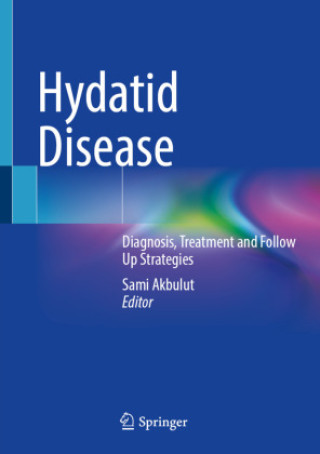
Hydatid disease (Echinococcal disease) is a parasitic disease caused by tapeworms of the genus Echinococcus and affects a significant percentage of the world population. There are four species of Echinococcus known to cause infections in humans. Among these, E. granulosus and E. multilocularis are the most common species, responsible for causing cystic echinococcosis and alveolar echinococcosis, respectively. On the other hand, E. vogeli and E. oligarthrus cause polycystic echinococcosis, although the incidence in humans is quite rare. Hydatid disease is a rare clinical entity that can affect almost any organ in the body. This makes it likely that clinicians from various specialties will encounter hydatid disease during their practice, especially those working in endemic regions.
This unique book provides a comprehensive overview of all forms of hydatid disease (cystic and alveolar echinococcosis) as they affect different human organs. It begins with a brief history of hydatid disease and then outlines the various transmission modes of Echinococcus granulosus and Echinococcus multilocularis. Additionally, it discusses preventive measures, clinical presentations, and diverse treatment approaches. By collectively addressing hydatid disease across multiple organ systems, the book serves as an essential resource for clinicians involved in its management. The primary goal of this book is to address the challenges encountered in managing this rare disease.
This resource is specifically designed to bridge the gap in the comprehensive management of hydatid disease, as most clinicians and specialists tend to focus on the aspects relevant to their own field. However, since hydatid disease is a systemic entity affecting multiple organ systems, this multidisciplinary approach is essential to avoid neglecting the broader impact during localized treatment.
This volume is highly valuable for clinicians across all medical specialties, as well as professionals in radiology, medical microbiology, and parasitology. Considering the significant clinical and epidemiological burden of hydatid disease, this book equips healthcare providers with the knowledge and tools necessary for effective patient care.


Informace o knize
Angličtina
