
 Kontakt
 Jak nakupovat
Doručení
Nákupní rádce
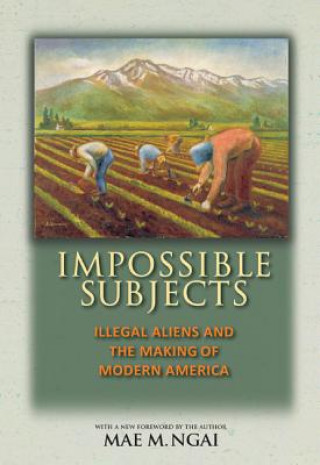
Impossible Subjects
 Angličtina
 69 b
69 b
Až 30 dní na vrácení zboží
Zákazníci také koupili
 /
/
 Brožovaná
 975
Kč
975
Kč



 /
Brožovaná
1 379
Kč
/
Brožovaná
1 379
Kč


 /
Pevná
294
Kč
/
Pevná
294
Kč




 /
/
 Kalendář
426
Kč
Kalendář
426
Kč












 /
Brožovaná
341
Kč
/
Brožovaná
341
Kč

This book traces the origins of the "illegal alien" in American law and society, explaining why and how illegal migration became the central problem in U.S. immigration policy - a process that profoundly shaped ideas and practices about citizenship, race, and state authority in the twentieth century. Mae Ngai offers a close reading of the legal regime of restriction that commenced in the 1920s - its statutory architecture, judicial genealogies, administrative enforcement, differential treatment of European and non-European migrants, and long-term effects. She shows that immigration restriction, particularly national-origin and numerical quotas, remapped America both by creating new categories of racial difference and by emphasizing as never before the nation's contiguous land borders and their patrol.


Informace o knize
Angličtina

Darujte tuto knihu ještě dnes
Je to snadné
1 Přidejte knihu do košíku a zvolte doručit jako dárek 2 Obratem vám zašleme poukaz 3 Kniha dorazí na adresu obdarovanéhoMohlo by vás také zajímat











 /
Brožovaná
381
Kč
/
Brožovaná
381
Kč




 /
Brožovaná
903
Kč
/
Brožovaná
903
Kč




Ahoj! Jsem Libroamiko, tvůj knižní rádce.
Jak ti můžu pomoct?