
 Kontakt
 Jak nakupovat
Doručení
Nákupní rádce
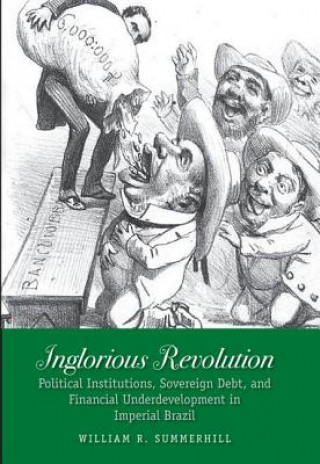
Inglorious Revolution
Political Institutions, Sovereign Debt, and Financial Underdevelopment in Imperial Brazil
 Angličtina
 219 b
219 b
30 dní na vrácení zboží
Zákazníci také koupili
















After gaining independence in 1822, Brazil's new constitutional monarchy credibly committed to repay sovereign debt, borrowing repeatedly in international and domestic capital markets without default. But contrary to modern economic theory, it failed to lay the institutional foundations that private financial markets needed to thrive. William Summerhill shows why sovereign creditworthiness did not translate into financial development, and how arbitrary policy choices eventually undermined Brazil's ability to tap capital. "Using a vast array of archival evidence, Summerhill convincingly shows that political commitment to a secure public debt was neither necessary nor sufficient to insure financial development in nineteenth-century Brazil. A must-read for economic and financial historians and for anyone interested in the politics of financial development."-Jean-Laurent Rosenthal


Informace o knize
Angličtina

Darujte tuto knihu ještě dnes
Je to snadné
1 Přidejte knihu do košíku a zvolte doručit jako dárek 2 Obratem vám zašleme poukaz 3 Kniha dorazí na adresu obdarovanéhoMohlo by vás také zajímat
 /
/
 Brožovaná
 328
Kč
328
Kč




Ahoj! Jsem Libroamiko, tvůj knižní rádce.
Jak ti můžu pomoct?