
 Kontakt
 Jak nakupovat
Doručení
Nákupní rádce
 Angličtina
 351 b
351 b
30 dní na vrácení zboží
Zákazníci také koupili




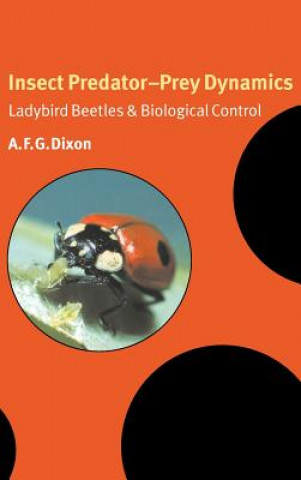
Much of our understanding about insect predator-prey dynamics has been due to studies on insect parasitoids. But do true predators such as ladybird beetles really operate in a similar way and how does this affect their use in biological control? The extensive literature on ladybirds as biocontrol agents shows that their size and rate of development is very dependent on the nature of their prey. This volume explores basic ladybird biology, their association with their prey and its effect on development rate and body size. Optimal foraging theory, field observations and laboratory experiments are used to illustrate how ladybird larvae maximise their rate of energy intake, and ladybird adults their fitness. The interdependence of these life history parameters is then used to develop a simple predator-prey model which, with an analysis of the literature, highlights the specific attributes of potentially successful biocontrol agents for all those interested in predator-prey dynamics.


Informace o knize
Angličtina

Darujte tuto knihu ještě dnes
Je to snadné
1 Přidejte knihu do košíku a zvolte doručit jako dárek 2 Obratem vám zašleme poukaz 3 Kniha dorazí na adresu obdarovanéhoMohlo by vás také zajímat



 /
/
 Brožovaná
 593
Kč
593
Kč