 Kontakt
 Jak nakupovat
Doručení
Nákupní rádce
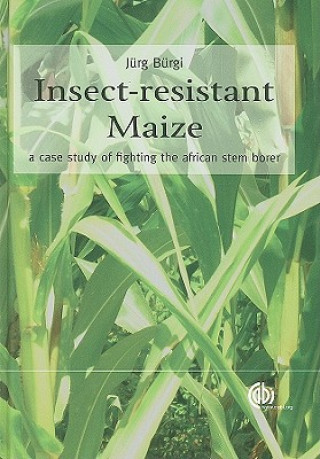
Insect-resistant Maize
 Angličtina
 382 b
382 b
30 dní na vrácení zboží
Zákazníci také koupili






 /
/
 Brožovaná
 328
Kč
328
Kč

 /
Brožovaná
1 115
Kč
/
Brožovaná
1 115
Kč





Many farmers in sub-Saharan Africa suffer heavily from crop losses due to stem borer pests. Insecticides are often unaffordable; therefore, maize plants must be made resistant to pests. The 'Insect Resistant Maize for Africa' (IRMA) project in Kenya was aimed at developing new maize varieties both by conventional methods and by biotechnologically incorporating the endotoxin produced by the soil bacterium Bacillus thuringiensis. The author gives an impartial and chronological account of this exemplary project between 1999 and 2008, supplemented by discussions of agricultural development policy and descriptions of Kenyan smallholders and the project team. He also takes critical and rational positions on the use of modern plant breeding techniques, biotechnology and development policy.


Informace o knize
Angličtina

Darujte tuto knihu ještě dnes
Je to snadné
1 Přidejte knihu do košíku a zvolte doručit jako dárek 2 Obratem vám zašleme poukaz 3 Kniha dorazí na adresu obdarovanéhoMohlo by vás také zajímat







 /
Pevná
946
Kč
/
Pevná
946
Kč