
 Kontakt
 Jak nakupovat
Doručení
Nákupní rádce
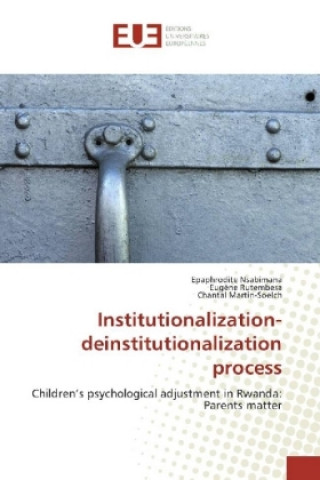
Institutionalization-deinstitutionalization process
Children's psychological adjustment in Rwanda: Parents matter
 Angličtina
 142 b
142 b
Až 30 dní na vrácení zboží
Zákazníci také koupili









This book aimed at (1) exploring children's perceptions on institutionalization process; (2) investigating the influence of biological parental living status on institutionalized children's psychological adjustment; and (3) evaluating the effectiveness of deinstitutionalization in Rwanda. With a prospective longitudinal comparative design, focus group discussions and self-report questionnaires were used to collect respectively qualitative and quantitative data from 177 children aged 9 to 16 from 6 orphanages and 5 primary schools in Rwanda. Unexpectedly children living in institution in Rwanda have more impairment in psychopathological symptoms when they have living parents. They considered institutionalization as an orphanization process. After deinstitutionalization, the improvement was reported in attachment while no change was observed in externalizing behavior or self-esteem; internalizing behavior worsened among de-institutionalized children. This should be considered to develop specific interventions for children and considered in deciding to place or not a child in an institution.


Informace o knize
Angličtina
Kategorie

Darujte tuto knihu ještě dnes
Je to snadné
1 Přidejte knihu do košíku a zvolte doručit jako dárek 2 Obratem vám zašleme poukaz 3 Kniha dorazí na adresu obdarovanéhoMohlo by vás také zajímat
 /
/
 Brožovaná
 195
Kč
195
Kč





 /
Brožovaná
401
Kč
/
Brožovaná
401
Kč



 /
Pevná
924
Kč
/
Pevná
924
Kč


 /
Pevná
10 696
Kč
/
Pevná
10 696
Kč

Ahoj! Jsem Libroamiko, tvůj knižní rádce.
Jak ti můžu pomoct?