
 Kontakt
 Jak nakupovat
Doručení
Nákupní rádce
 Angličtina
 109 b
109 b
Až 30 dní na vrácení zboží
Zákazníci také koupili








 /
/
 Brožovaná
 554
Kč
554
Kč











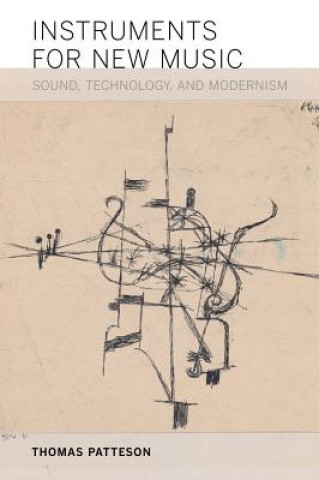
This is a free ebook version of this title is available through the UC Press open access program. Player pianos, radio-electric circuits, gramophone records, and optical sound film - these were the cutting-edge acoustic technologies of the early twentieth century, and for many musicians and artists of the time, these devices were also the implements of a musical revolution. Instruments for New Music traces a diffuse network of cultural agents who shared the belief that a truly modern music could be attained only through a radical challenge to the technological foundations of the art. Centered in Germany during the 1920s and '30s, the movement for new instruments encompassed a broad spectrum of aesthetic orientations, from the exploration of microtonal tunings and exotic tone-colors to the ability to compose directly for automatic musical machines. It involved composers, inventors, and visual artists, including Paul Hindemith, Ernst Toch, Jorg Mager, Friedrich Trautwein, Laszlo Moholy-Nagy, Walter Ruttmann, and Oskar Fischinger. Patteson's fascinating study combines an artifact-oriented history of new music in the early twentieth century with an astute revisiting of still-relevant debates about the relationship between technology and the arts.


Informace o knize
Angličtina

Darujte tuto knihu ještě dnes
Je to snadné
1 Přidejte knihu do košíku a zvolte doručit jako dárek 2 Obratem vám zašleme poukaz 3 Kniha dorazí na adresu obdarovanéhoMohlo by vás také zajímat















 /
Brožovaná
319
Kč
/
Brožovaná
319
Kč




Ahoj! Jsem Libroamiko, tvůj knižní rádce.
Jak ti můžu pomoct?