
 Kontakt
 Jak nakupovat
Doručení
Nákupní rádce
 Angličtina
 20 b
20 b
 Nové
Nové
Až 30 dní na vrácení zboží

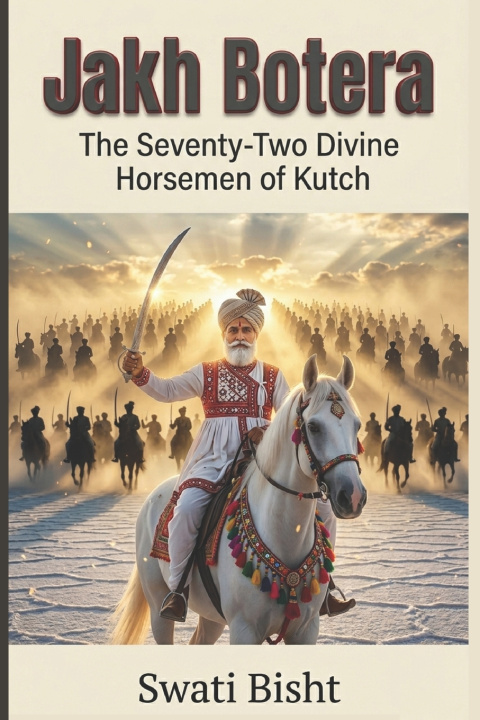
Who were the enigmatic seventy-two who rose from the Arabian Sea to save a civilization? This investigation serves historians, cultural enthusiasts, and seekers of Indian folk traditions by answering how a group of medieval riders became the enduring spiritual sentinels of the vast Rann, providing a clear window into ancient Gujarati lore.
The history of Western India is a mosaic of survival and faith. Central to this identity are the Jakh Botera, a group of seventy-two figures whose legacy bridges the gap between terrestrial history and spiritual intervention. Often depicted on white stallions, these figures are credited with liberating the local populace from the tyranny of ancient rulers. Their story is a sophisticated blend of migratory patterns, military strategy, and the eventual deification of a brotherhood that valued justice above all else.
In this work, the focus shifts toward a disciplined analysis of the symbolic iconography and oral histories that have survived over a millennium. By looking past, the surface of the legend, the text provides a rigorous view of how the Sanghar community maintains this heritage. The resonance of the Jakh tradition is felt in every temple and every seasonal gathering, reflecting a deep-seated belief in a protective force that watches over the vulnerable. This analysis avoids sensationalism, opting instead for a grounded examination of how myths are born from the dust of real events.
Inside This Guide
Analyze the iconography of the seventy-two riders and its evolution through centuries of artisanal tradition.
Evaluate the historical timelines of the Sanghar community's migration and their integration into the regional social hierarchy.
Explore the significance of the Jakh fair and the specific liturgical practices observed by devotees today.
Identify the geographical landmarks and sacred sites dedicated to the equestrian protectors across the coastline.
Discuss the role of the white horse as a symbol of purity, speed, and authority in regional mythology.
Contrast local folklore with academic theories regarding the origins of these mysterious figures.
This edition prioritizes clarity and factual precision. By synthesizing multiple oral accounts with recorded regional history, it offers an authoritative perspective on a subject often overlooked in mainstream historical discourse. The prose is designed for the serious reader who values intellectual depth and cultural sensitivity. Every chapter serves to articulate the intangible heritage of the desert, ensuring that the legacy of the riders remains accessible to a global audience. This work stands as a definitive reference for those seeking to understand the intersection of equestrian culture and Indian spiritual traditions without the distraction of promotional hype.


Informace o knize
Angličtina

Darujte tuto knihu ještě dnes
Je to snadné
1 Přidejte knihu do košíku a zvolte doručit jako dárek 2 Obratem vám zašleme poukaz 3 Kniha dorazí na adresu obdarovanéhoAhoj! Jsem Libroamiko, tvůj knižní rádce.
Jak ti můžu pomoct?