
 Kontakt
 Jak nakupovat
Doručení
Nákupní rádce
 Angličtina
 30 b
30 b
 Nové
Nové
Až 30 dní na vrácení zboží

He gave us the words we now use for love - attachment, the secure base, the bonds that steady a life.
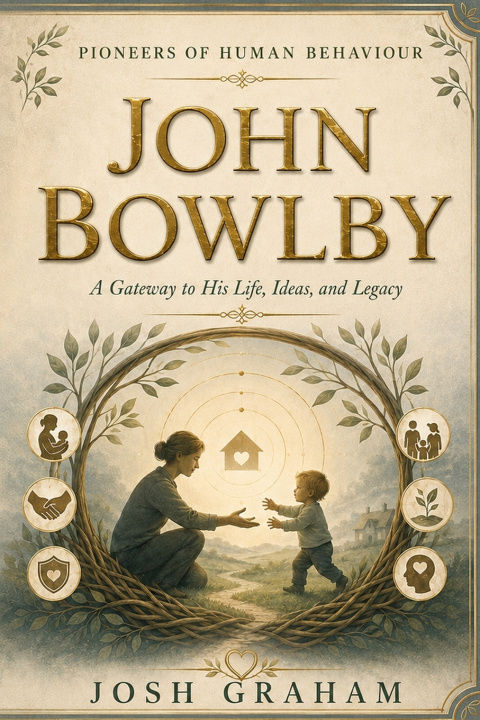
John Bowlby (1907-1990) changed how we understand the tie between a child and the people who care for them. Where his own age dismissed a separated, crying child as merely spoilt - or quietly congratulated the child who went quiet - Bowlby saw something deeper: an evolved survival system, as real as hunger, built to keep the young close to protection. From that single insight grew attachment theory, and a quiet revolution that opened hospital wards to parents, reshaped adoption and fostering, and slipped the language of the secure base and the safe haven into everyday speech.
This concise, accessible gateway tells the whole story. It follows Bowlby from a distant Edwardian nursery to the research units where he turned patient observation into theory; through the landmark trilogy that made his name; into the criticism that tested it - from Michael Rutter's careful reassessment to the feminist charge that his ideas were used against working mothers; and out into the clinics, courts and classrooms that still work by his lights.
It is an honest portrait, not a monument. You will meet the collaborators the textbooks so often footnote - Mary Ainsworth, who gave the theory its evidence and its measure, and James and Joyce Robertson, whose films of separated children helped change medicine. You will see where Bowlby was right, where he overreached, and where later science corrected him. And you will come away understanding not only what he discovered, but why it still matters for how any of us love, lose, and begin again.
Inside this book:
- How attachment really works, in plain language - and why feeding never explained a child's love
- The truth behind "maternal deprivation," mother-blame and the myths that outran the science
- Secure base, safe haven and internal working models - the ideas, and who truly shaped them
- Fair, substantial criticism, not hagiography - the limits of his early studies as well as their power
- How to use Bowlby's insight in parenting, relationships and everyday life today
Part of Pioneers of Human Behaviour - clear, rigorous, human introductions to the thinkers who changed how we understand the mind.


Informace o knize
Angličtina

Darujte tuto knihu ještě dnes
Je to snadné
1 Přidejte knihu do košíku a zvolte doručit jako dárek 2 Obratem vám zašleme poukaz 3 Kniha dorazí na adresu obdarovanéhoAhoj! Jsem Libroamiko, tvůj knižní rádce.
Jak ti můžu pomoct?