
 Kontakt
 Jak nakupovat
Doručení
Nákupní rádce
John Keats
 Angličtina
 111 b
111 b
30 dní na vrácení zboží
Zákazníci také koupili
















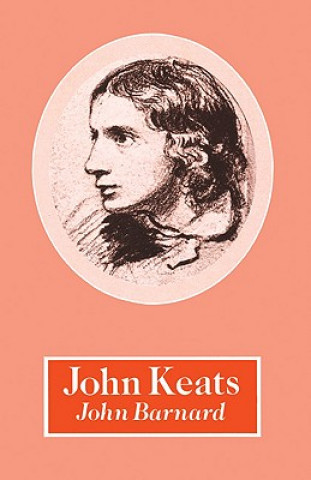
This book offers a revaluation of Keats' major poetry. It reveals how Keats' work is both an oblique criticism of the dominant attitudes to literature, sexuality, religion and politics in his period, and a powerful critique of the claims of the imagination. For all that he shares the optimistic humanism of progressives like Hazlitt, Leigh Hunt, and Shelley, Keats nevertheless questions the sufficiency of either Art or Beauty. Professor Barnard shows how the notorious attack on Keats as a Cockney poet was motivated by class and political bias. He analyses the problems facing Keats as a second-generation Romantic, his continuing difficulty in finding an appropriate style for 'Poesy', and his uncertain judgement of his own work. The ambiguities and stresses evident in the poetry's treatment of women and sexual love are seen to reflect divisions in Keats and his society. The maturing use of myth from Poems (1817) to The Fall of Hyperion, and the achievement of the major odes are set in relation to Keats' whole career.


Informace o knize
Angličtina

Darujte tuto knihu ještě dnes
Je to snadné
1 Přidejte knihu do košíku a zvolte doručit jako dárek 2 Obratem vám zašleme poukaz 3 Kniha dorazí na adresu obdarovanéhoMohlo by vás také zajímat








 /
/
 Brožovaná
 1 459
Kč
1 459
Kč











Ahoj! Jsem Libroamiko, tvůj knižní rádce.
Jak ti můžu pomoct?