
 Kontakt
 Jak nakupovat
Doručení
Nákupní rádce
Knowledge for Development?
 Angličtina
 110 b
110 b
Až 30 dní na vrácení zboží
Zákazníci také koupili




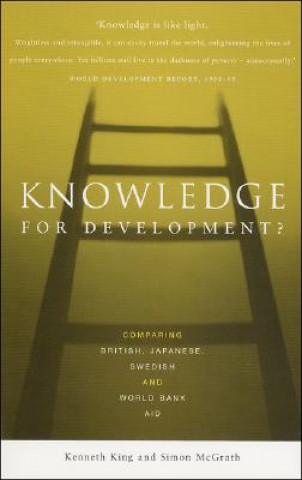
In 1996, the World Bank President, James Wolfensohn, declared that his organization would henceforth be 'the knowledge bank'. A new discourse of knowledge-based aid has since spread rapidly across the development field. This book is the first detailed attempt to analyse this new discourse and practice. Through an examination of four agencies -- the World Bank, the British Department for International Development, the Japan International Cooperation Agency and the Swedish International Development Cooperation Agency -- it explores what this new approach to aid means in both theory and practice. It argues that too much of the emphasis of knowledge-based aid has been on developing capacity within agencies rather than addressing the expressed needs of Southern partners. Moreover, it questions whether knowledge-based aid increases agency certainty about what constitutes good development.


Informace o knize
Angličtina

Darujte tuto knihu ještě dnes
Je to snadné
1 Přidejte knihu do košíku a zvolte doručit jako dárek 2 Obratem vám zašleme poukaz 3 Kniha dorazí na adresu obdarovanéhoMohlo by vás také zajímat









Ahoj! Jsem Libroamiko, tvůj knižní rádce.
Jak ti můžu pomoct?