
 Kontakt
 Jak nakupovat
Doručení
Nákupní rádce
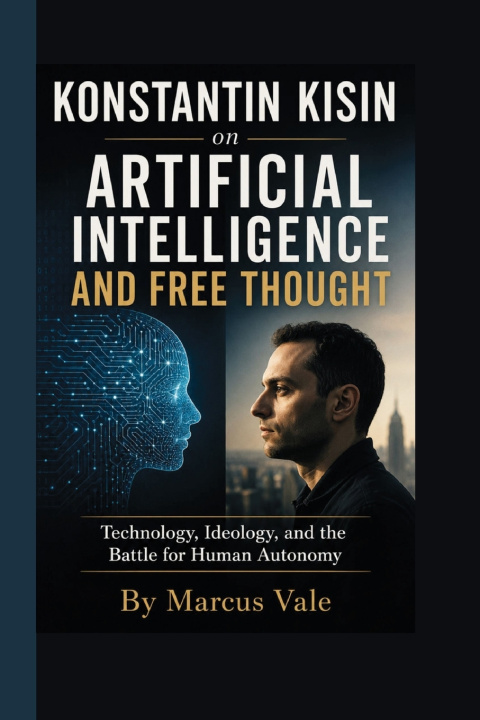
KONSTANTIN KISIN on Artificial Intelligence and Free Thought
Technology, Ideology, and the Battle for Human Autonomy
 Angličtina
 47 b
47 b
 Nové
Nové
Až 30 dní na vrácení zboží

In an age when artificial intelligence can write essays, generate images, imitate voices, summarize complex ideas, and influence what millions of people see and believe, one question has become impossible to ignore: what happens to human freedom when technology becomes increasingly involved in human thought?Konstantin Kisin on Artificial Intelligence and Free Thought: Technology, Ideology, and the Battle for Human Autonomy explores this question through the broader themes associated with Konstantin Kisin's public commentary on free speech, intellectual independence, cultural conformity, individual responsibility, and the changing relationship between technology and society. This is an independent work of analysis and commentary, not a book written by or authorized by Konstantin Kisin.
Rather than treating artificial intelligence as simply a technological breakthrough, this book examines the deeper cultural and philosophical questions surrounding its rapid development. What happens when people begin relying on AI not only to complete tasks but also to explain the world, generate opinions, recommend decisions, and determine which information deserves attention? Can technology make people more capable without making them more dependent?
The book explores the growing influence of algorithms, the future of free speech, AI-generated information, ideological assumptions within technology, automated creativity, and the possibility that machines could gradually become a new form of authority. It also examines what human beings still possess that cannot easily be reduced to computational power: judgment, responsibility, lived experience, curiosity, creativity, disagreement, and the ability to assign meaning.
Readers will encounter a balanced examination of both the opportunities and risks created by artificial intelligence. AI can expand access to knowledge, improve productivity, support creativity, and help solve difficult problems. Yet the same technology can raise serious questions about censorship, institutional power, misinformation, intellectual dependence, and the preservation of independent thought.
At the heart of the book is a simple but powerful idea: the more powerful our technology becomes, the more important human judgment becomes.
For readers interested in artificial intelligence, free speech, technology and society, political culture, critical thinking, digital autonomy, censorship debates, ideological conformity, and the future of human freedom, this book offers an accessible starting point for deeper reflection.
Ultimately, this is not a call to reject artificial intelligence. It is an invitation to think carefully about how humanity chooses to use it. Machines may become more intelligent, more persuasive, and more deeply integrated into everyday life, but the responsibility for deciding what kind of future we create remains human.
If you are concerned about AI, curious about its cultural consequences, or simply determined to remain intellectually independent in an increasingly automated world, this book offers a timely exploration of the questions that matter most.


Informace o knize
Angličtina
Kategorie

Darujte tuto knihu ještě dnes
Je to snadné
1 Přidejte knihu do košíku a zvolte doručit jako dárek 2 Obratem vám zašleme poukaz 3 Kniha dorazí na adresu obdarovanéhoAhoj! Jsem Libroamiko, tvůj knižní rádce.
Jak ti můžu pomoct?