 Kontakt
 Jak nakupovat
Doručení
Nákupní rádce
 Angličtina
 154 b
154 b
Až 30 dní na vrácení zboží
Zákazníci také koupili

















 /
/
 Brožovaná
 995
Kč
995
Kč




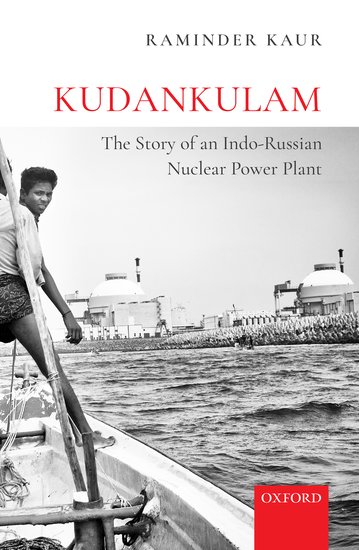
Since the 1980s, the Kudankulam Nuclear Power Plant in the south Indian state of Tamil Nadu has faced multiple forms of resistance. Women and men from different walks of life — fishers, farmers, environmentalists, activists, writers, scholars, teachers, journalists, doctors, and lawyers among many others — have come together to combat the deadly radioactive repercussions and repression that come with the development of a high-security nuclear installation. Drawing upon their experiences, this historical and ethnographic study accounts for the anti-nuclear campaign's part in 'right-to-lives' movements while engaging with the (re)production of knowledge and ignorance in the understanding of radiation, and efforts to create an evidence base in response to the otherwise unavailable or insufficient data on the environment and public health in India. Tracing the grassroots struggle for 'energy justice' off- and on-line, the author looks into the larger questions of development, democracy, and nationalism. These have marked not just parts of India identified for large-scale constructions, but also other regions of the world where state functionaries have much to gain from corporate collaborations at the cost of local residents who lose their livelihoods, and are forcibly displaced, persecuted, or even killed in order to execute governmental designs in the name of the nation.


Informace o knize
Angličtina

Darujte tuto knihu ještě dnes
Je to snadné
1 Přidejte knihu do košíku a zvolte doručit jako dárek 2 Obratem vám zašleme poukaz 3 Kniha dorazí na adresu obdarovanéhoMohlo by vás také zajímat





 /
Brožovaná
363
Kč
/
Brožovaná
363
Kč
 /
Brožovaná
1 247
Kč
/
Brožovaná
1 247
Kč

 /
Pevná
4 526
Kč
/
Pevná
4 526
Kč