
 Kontakt
 Jak nakupovat
Doručení
Nákupní rádce
Lenchitudes
 Angličtina
 282 b
282 b
30 dní na vrácení zboží

Shows how representations of sapphic desire can subvert or sustain prevailing norms of gender, sexuality, and power in Mexican texts from the 1980s to the 2010s.
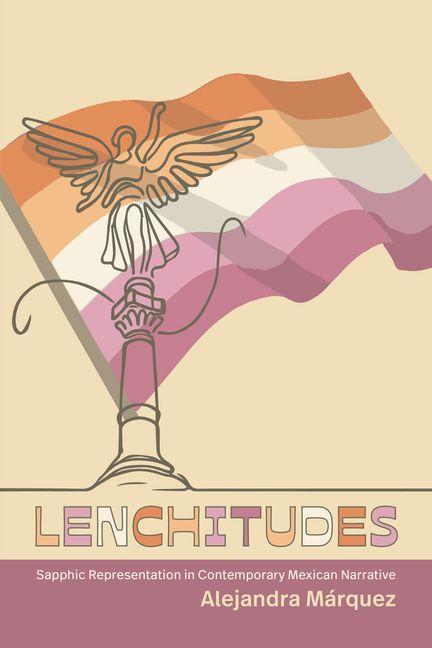
Drawing inspiration from the 2020 Marcha Lencha-"Lesbian March"-in Mexico City, Alejandra Márquez expands the concept of lenchitudes into a critical framework for thinking about gender and sexuality more expansively and inclusively, beyond essentialist identity categories. Assembling a lesbian archive that stretches from the publication of Rosamaría Roffiel's cult classic Amora in 1989 to the 2010s, Lenchitudes argues that sapphic representation in contemporary Mexican narrative subverts but also reinforces patriarchal norms. Sapphic narratives, Márquez argues, are not inherently queer but rather can uphold binary gender roles, heteronormativity, and monogamy. Bridging literature and activism, and putting theorists such as Judith Butler, Jack Halberstam, and José Esteban Muñoz into conversation with Latin American scholarship, Lenchitudes boldly joins ongoing debates about the place of queerness, or lo cuir, in Latin America.


Informace o knize
Angličtina
