
 Kontakt
 Jak nakupovat
Doručení
Nákupní rádce
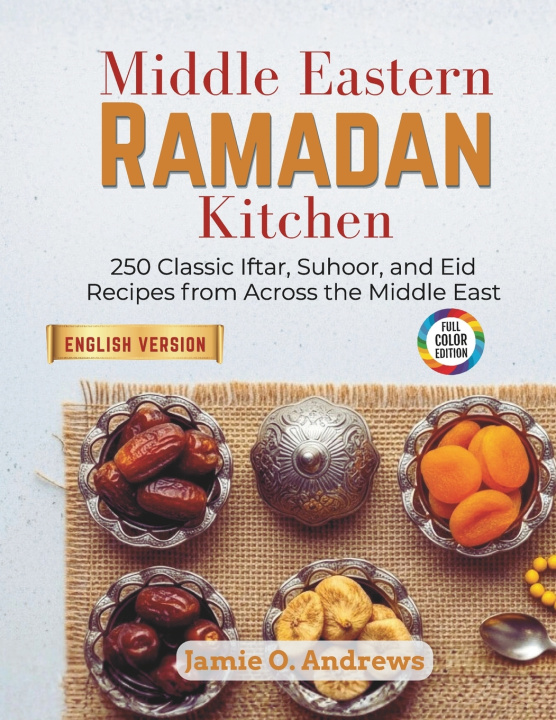
Middle Eastern Ramadan Kitchen
250 Classic Iftar, Suhoor, and Eid Recipes from Across the Middle East
 Angličtina
 78 b
78 b
 Nové
Nové
30 dní na vrácení zboží

Every year, Ramadan arrives with a particular kind of hush - the pre-dawn kitchen lit by a single pendant light, the slow drag of a wooden spoon across a ceramic pan, the deliberate quiet of people feeding their bodies before a long day of fasting begins.
This book was written for that kitchen.
Middle Eastern Ramadan Kitchen brings together 250 classic recipes across the full arc of the Ramadan day: the vital, sustaining meals of Suhoor before the Fajr call; the long-awaited breaking of the fast at Iftar; and the joyful, celebratory tables of Eid. Each recipe draws from the living culinary traditions of North Africa, the Levant, the Gulf, Egypt, and Yemen - dishes cooked in family homes for generations, carrying the full weight of that history.
You will find the foundational Suhoor staples that keep you grounded through a long fast: shakshuka poached in a deeply spiced tomato base, fava beans simmered until they collapse into an earthy paste, labneh whipped with dried mint and za'atar, slow-cooked chickpea purées, and semolina porridges anchored with dates. Nothing here is dressed up to look exciting. These are honest, protein-rich, slow-release meals designed to work.
At Iftar, the recipes open up. The harira of Morocco - its base built on tomato, cinnamon, and lemon - sits alongside slow-braised lamb from the Levant, herb-heavy stews from Yemen, the spiced rice centerpieces of the Gulf, and the mezze spreads of Lebanon and Syria. The breads, the pastries, the sweets - ka'ak, luqaimat, basbousa - are written exactly as they should be made, with sensory cues your grandmother would recognize over a timer any modern oven would lie about.
For Eid, the recipes shift into celebration: stuffed whole lamb, layered rice and meat dishes, nut-filled pastries, and the regional spice blends - Baharat, Hawaij, Gulf Bezar - that define the flavor of an entire country's kitchen.
Timing is honest. Measurements are in both cups and metric weights because precision is respect. When a substitution changes a dish, you are warned. When one works perfectly, it is noted.
This is not a book about the exotic. It is a book about sustenance, memory, and the tables that bring people together when the day is finally done.


Informace o knize
Angličtina
