
 Kontakt
 Jak nakupovat
Doručení
Nákupní rádce
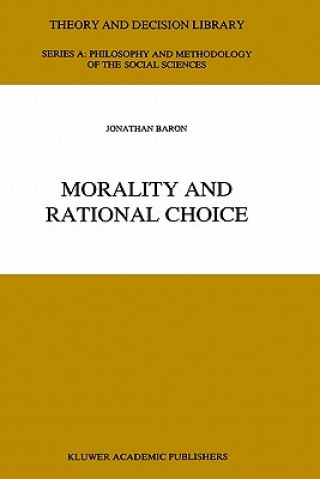
Morality and Rational Choice
 Angličtina
 236 b
236 b
Až 30 dní na vrácení zboží
Zákazníci také koupili


 /
/
 Brožovaná
 915
Kč
915
Kč










 /
Pevná
1 227
Kč
/
Pevná
1 227
Kč




This book develops and defends a version of utilitarianism, including expected-utility theory, as a normative model of decision making. The defense, based on the idea of utility as achievement of goals, considers the endorsement of a norm as a decision and asks what reasons we have to endorse norms for decision making. The reasons derive from our pre-existing goals, so any norm we endorse must not fly in the face of these goals, although it must not be selfishly biased, either. This approach is further clarified by drawing distinctions between decisions for the self, for a single other person, for several others, and for the self and others. The book discusses the implications of this argument for the psychological study of decision making, the act--omission distinction, moral education, decision analysis, risk analysis, and other questions of public policy. The final chapter sketches a prescriptive approach to group decision making.


Informace o knize
Angličtina
Kategorie

Darujte tuto knihu ještě dnes
Je to snadné
1 Přidejte knihu do košíku a zvolte doručit jako dárek 2 Obratem vám zašleme poukaz 3 Kniha dorazí na adresu obdarovanéhoMohlo by vás také zajímat


 /
Brožovaná
1 436
Kč
/
Brožovaná
1 436
Kč







 /
Pevná
3 551
Kč
/
Pevná
3 551
Kč









 /
Pevná
2 308
Kč
/
Pevná
2 308
Kč

Ahoj! Jsem Libroamiko, tvůj knižní rádce.
Jak ti můžu pomoct?