
 Kontakt
 Jak nakupovat
Doručení
Nákupní rádce
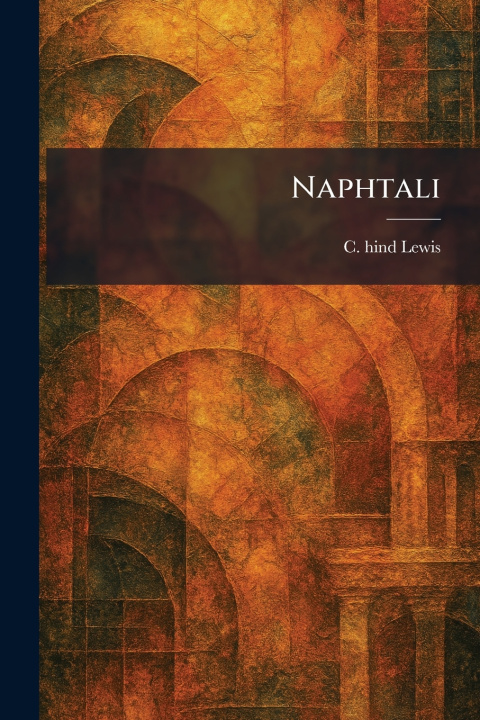
Naphtali
 Angličtina
 58 b
58 b
30 dní na vrácení zboží

"Naphtali" is an evocative collection of reminiscences and autobiographical sketches by the acclaimed art critic and editor C. Lewis Hind. In this work, Hind reflects on the various "influences which help to make or mar a life," offering an intimate and sophisticated glimpse into the vibrant literary and artistic circles of late 19th and early 20th-century London and New York.
As the former editor of "The Academy," Hind provides firsthand accounts of his interactions with the period's most influential creative minds. The narrative is rich with anecdotes involving poets, painters, and publishers, serving as a valuable historical record of a transformative era in the humanities. Through these essays, the author discusses the evolution of contemporary literature and the personal encounters that shaped his own aesthetic philosophy.
Naphtali stands as both a personal testament to a life dedicated to the arts and a compelling commentary on the cultural movements that defined a generation. Hind's prose is elegant and thoughtful, making this volume an essential resource for readers interested in the history of criticism and the biographical backgrounds of the modern era's intellectual elite.
This work has been selected by scholars as being culturally important, and is part of the knowledge base of civilization as we know it. This work was reproduced from the original artifact, and remains as true to the original work as possible. Therefore, you may see the original copyright references, library stamps (as most of these works have been housed in our most important libraries around the world), and other notations in the work.
This work is in the public domain in the United States of America, and possibly other nations. Within the United States, you may freely copy and distribute this work, as no entity (individual or corporate) has a copyright on the body of the work.
As a reproduction of a historical artifact, this work may contain missing or blurred pages, poor pictures, errant marks, etc. Scholars believe, and we concur, that this work is important enough to be preserved, reproduced, and made generally available to the public. We appreciate your support of the preservation process, and thank you for being an important part of keeping this knowledge alive and relevant.


Informace o knize
Angličtina
