 Kontakt
 Jak nakupovat
Doručení
Nákupní rádce
 Angličtina
 94 b
94 b
Až 30 dní na vrácení zboží
Zákazníci také koupili










 /
/
 Brožovaná
 813
Kč
813
Kč


 /
Brožovaná
1 567
Kč
/
Brožovaná
1 567
Kč
 /
Brožovaná
786
Kč
/
Brožovaná
786
Kč

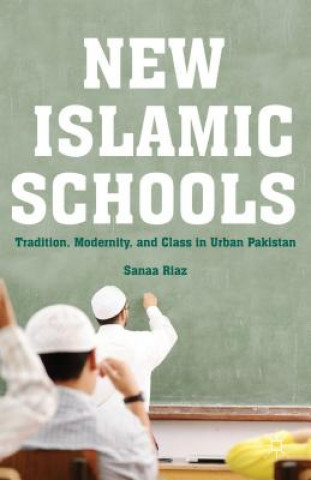
Studies on Islamic schooling, particularly in Pakistan, largely focus on orthodox religious seminaries (madrasas) and presuppose that all types of religious schooling create the same religious subjectivity that is fundamentally extremist, anti-modern and anti-secular. In this groundbreaking narrative, Riaz attempts to cover this gap in ethnographic literature on Islamic education by presenting the first participant-observation based account of the new private Islamic schools that are fast becoming popular among middle and upper class urbanites. The schools combine modern secular education with traditional madrasa education. Through observations across pre-primary and Grades 1-10 subject classes, and interviews with Islamic school entrepreneurs, administrators, teachers, students and their parents associated with these schools - each catering to a different urban class - the author elucidates how the pedagogies, curriculum and the aspirations of the producers and patrons of knowledge in these schools modernize Islamic tradition to create diverse religious, secular, and class subjectivities in the students.


Informace o knize
Angličtina

Darujte tuto knihu ještě dnes
Je to snadné
1 Přidejte knihu do košíku a zvolte doručit jako dárek 2 Obratem vám zašleme poukaz 3 Kniha dorazí na adresu obdarovanéhoMohlo by vás také zajímat


 /
Brožovaná
881
Kč
/
Brožovaná
881
Kč





 /
Brožovaná
154
Kč
/
Brožovaná
154
Kč