
 Kontakt
 Jak nakupovat
Doručení
Nákupní rádce
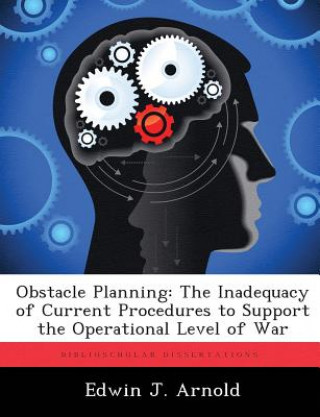
Obstacle Planning
The Inadequacy of Current Procedures to Support the Operational Level of War
 Angličtina
 34 b
34 b
Až 30 dní na vrácení zboží
Mohlo by vás také zajímat


This study examines current obstacle planning procedures to determine their adequacy for supporting the conduct of war at the operational level of war. The major premise of the paper is that obstacles can have a significant impact on military actions at the operational level of war and that planning procedures must allow the operational commander the ability to incorporate obstacles into his plans. Several historical examples from the two world wars show that obstacles have had operational impact during previous wars. The study compares current obstacle planning procedures with those which would allow the operational commander the opportunity to develop a fully integrated obstacle-maneuver plan. The analysis shows that the present procedure of top-down maneuver planning and bottom-up obstacle planning is not adequate for the needs of the operational commander. Such a system permits integration of obstacles with the maneuver plan at the tactical level but not at the operational level. The study concludes with the recommendation that obstacle planning procedures be changed to reflect top-down maneuver and obstacle planning to facilitate the complete integration of both plans at all levels. The recommended procedures incorporate operationally-significant obstacles as well as obstacle free zones.


Informace o knize
Angličtina
Kategorie

Darujte tuto knihu ještě dnes
Je to snadné
1 Přidejte knihu do košíku a zvolte doručit jako dárek 2 Obratem vám zašleme poukaz 3 Kniha dorazí na adresu obdarovanéhoAhoj! Jsem Libroamiko, tvůj knižní rádce.
Jak ti můžu pomoct?