
 Kontakt
 Jak nakupovat
Doručení
Nákupní rádce
 Angličtina
 323 b
323 b
 Připravujeme
 Nové
Nové
 Vydání 28. 10. 2026
Až 30 dní na vrácení zboží

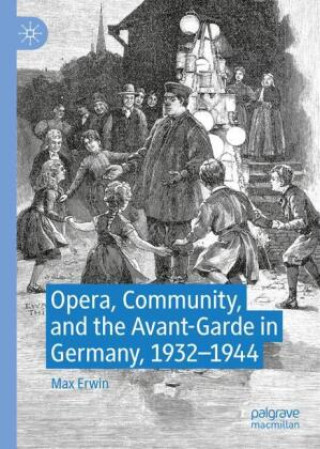
Musicians and cultural institutions in Nazi Germany saw opera as a means of eliminating the division between bourgeois art and everyday life in service of fostering an organic, racially-delimited Volksgemeinschaft [people s community]. In pursuit of this political project, they turned to aesthetic strategies pioneered by the avant-garde movements of the Weimar Republic. This book traces the development of avant-garde music theatre in the Third Reich through local and national changes in patronage and musical craft, as modernist styles initially proscribed as Bolshevik , un-German , or, most notoriously, degenerate , were gradually co-opted by musical institutions and musicians, particularly the cultural offices of arch-reactionary Alfred Rosenberg. Supported by these newly-created networks of institutional support, composers turned to the aesthetics of musical and theatrical modernism to adapt and enact the contradictions of Nazi ideology, as new operas became ambitious and lavish propaganda for Nazi policies, from establishing a new German identity through the collective trauma of World War I (Ludwig Maurick, Die Heimfahrt des Jörg Tilman) to the communal experience of modern warfare (Marc-André Souchay, Kampfwerk 39) and colonisation of Eastern Europe (Ernst Schliepe, Marienburg).


Informace o knize
Angličtina

Darujte tuto knihu ještě dnes
Je to snadné
1 Přidejte knihu do košíku a zvolte doručit jako dárek 2 Obratem vám zašleme poukaz 3 Kniha dorazí na adresu obdarovanéhoAhoj! Jsem Libroamiko, tvůj knižní rádce.
Jak ti můžu pomoct?