 Kontakt
 Jak nakupovat
Doručení
Nákupní rádce
 Angličtina
 304 b
304 b
Až 30 dní na vrácení zboží
Zákazníci také koupili







 /
/
 Brožovaná
 976
Kč
976
Kč

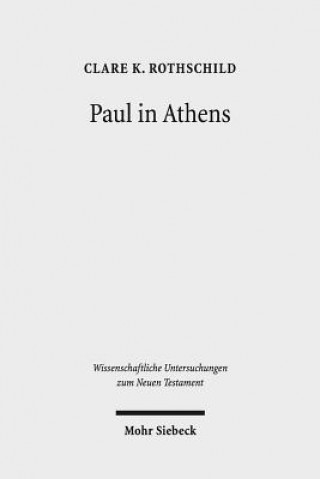
Paul s visit to Athens, in particular the Areopagus speech, is one of the most well known excerpts of early Christian literature. It is the most significant speech by Paul to a Gentile audience in Acts functioning as a literary crest of the overall narrative. Yet critical analyses also describe it as an ad hoc blend of Greek and Jewish elements. In this study, Clare K. Rothschild examines how the nexus of popular second-century traditions crystallizing around the Cretan prophet Epimenides explains these seemingly miscellaneous and impromptu aspects of the text. Her investigation exposes correspondences between Epimenidea and the Lukan Paul, not limited to the altar to an unknown god and the saying, In him, we live, and move, and have our being (17:28a), concluding that in addition to popular philosophical ideals, the episode of Paul in Athens utilizes popular religious topoi to reinforce a central narrative aim.


Informace o knize
Angličtina