
 Kontakt
 Jak nakupovat
Doručení
Nákupní rádce
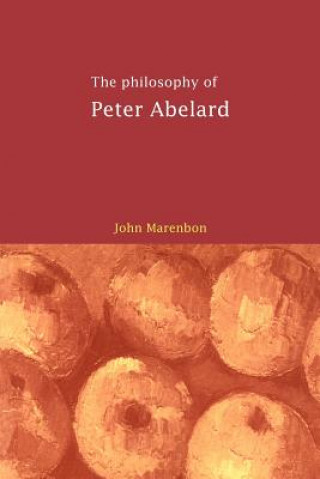
Philosophy of Peter Abelard
 Angličtina
 155 b
155 b
Až 30 dní na vrácení zboží
Zákazníci také koupili












 /
/
 Mapa
Mapa
 313
Kč
313
Kč



This 1997 book offers a major reassessment of the philosophy of Peter Abelard (1079–1142) which argues that he was not, as usually presented, a predominantly critical thinker but a constructive one. By way of evidence the author offers analyses of frequently discussed topics in Abelard's philosophy, and examines other areas such as the nature of substances and accidents, cognition, the definition of 'good' and 'evil', virtues and merit, and practical ethics in detail. Part I discusses Abelard's life and works, and considers problems of chronology and canon (including the question of the authenticity of the correspondence with Heloise). Part II analyses Abelard's ontology, epistemology and semantics, showing how he tried to reconstruct the ideas he had learned from Aristotle, Porphyry and Boethius to fit his presumption that there is nothing which is not a particular. Part III analyses Abelard's ethical theory, showing that it is far wider and more sophisticated than has been believed.


Informace o knize
Angličtina

Darujte tuto knihu ještě dnes
Je to snadné
1 Přidejte knihu do košíku a zvolte doručit jako dárek 2 Obratem vám zašleme poukaz 3 Kniha dorazí na adresu obdarovanéhoMohlo by vás také zajímat
















 /
/
 Pevná
1 025
Kč
Pevná
1 025
Kč
Ahoj! Jsem Libroamiko, tvůj knižní rádce.
Jak ti můžu pomoct?