
 Kontakt
 Jak nakupovat
Doručení
Nákupní rádce
 Angličtina
 88 b
88 b
30 dní na vrácení zboží
Zákazníci také koupili







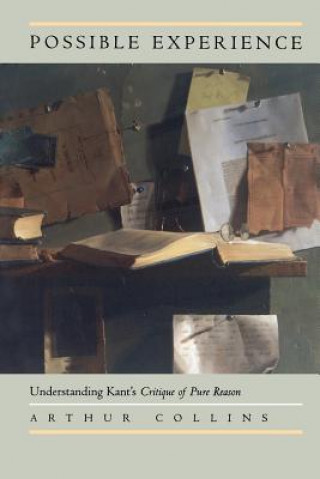
Arthur Collins's succinct, revisionist exposition of Kant's Critique of Pure Reason brings a new clarity to this notoriously difficult text. Until recently most readers, ascribing broadly Cartesian assumptions to Kant, have concluded that the Critique advances an idealist philosophy, because Kant calls it "transcendental idealism" and because the work abounds in apparent confirmations of that interpretation. Collins maintains not only that this reading of Kant is false but also that it conceals Kant's real achievements. To counter it, he addresses the themes and passages in the Critique that seem to require an idealist thesis and shows how they may be better understood without ascribing any idealist philosophy to Kant. His account coheres with Kant's explicit "refutations" of idealism, it fits Kant's rejection of the imputation of idealism to him by early critics and readers, and it validates Kant's contention that the second edition of the Critique changes the expression but not the doctrine of the first.


Informace o knize
Angličtina

Darujte tuto knihu ještě dnes
Je to snadné
1 Přidejte knihu do košíku a zvolte doručit jako dárek 2 Obratem vám zašleme poukaz 3 Kniha dorazí na adresu obdarovanéhoMohlo by vás také zajímat







Ahoj! Jsem Libroamiko, tvůj knižní rádce.
Jak ti můžu pomoct?