
 Kontakt
 Jak nakupovat

Doručení
Nákupní rádce
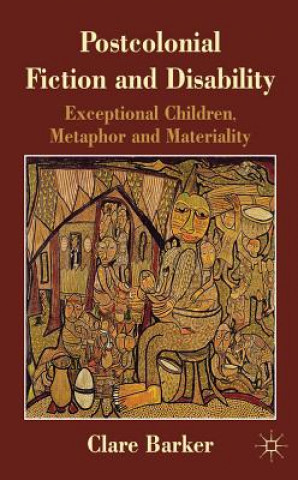
Postcolonial Fiction and Disability
 Angličtina
 276 b
Až 30 dní na vrácení zboží
Zákazníci také koupili


Postcolonial Fiction and Disability explores the politics and aesthetics of disability in postcolonial literature. The first book to make sustained connections between postcolonial writing and disability studies, it focuses on the figure of the exceptional child in well-known novels by Grace, Dangarembga, Sidhwa, Rushdie, and Okri. While the fictional lives of disabled child characters are frequently intertwined with postcolonial histories, providing potent metaphors for national 'damage' and vulnerability, Barker argues that postcolonial writers are equally concerned with the complexity of disability as lived experience. The study focuses on constructions of normalcy, the politics of medicine and healthcare, and questions of citizenship and belonging in order to demonstrate how progressive health and disability politics often emerge organically from writers' postcolonial concerns. In reframing disability as a mode of exceptionality, the book assesses the cultural and political insights that derive from portrayals of disability, showing how postcolonial writing can contribute conceptually towards building more inclusive futures for disabled people worldwide.


Informace o knize
Angličtina
Kategorie

Darujte tuto knihu ještě dnes
Je to snadné
1 Přidejte knihu do košíku a zvolte doručit jako dárek 2 Obratem vám zašleme poukaz 3 Kniha dorazí na adresu obdarovanéhoMohlo by vás také zajímat

Ahoj! Jsem Libroamiko, tvůj knižní rádce.
Jak ti můžu pomoct?