
 Kontakt
 Jak nakupovat
Doručení
Nákupní rádce
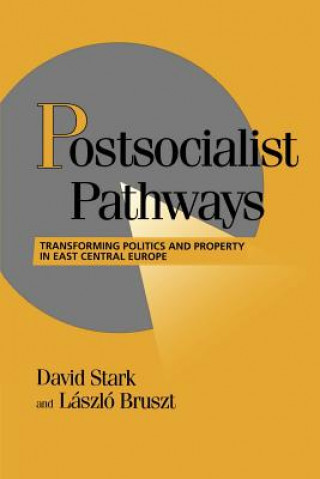
Postsocialist Pathways
Transforming Politics and Property in East Central Europe
 Angličtina
 111 b
111 b
Až 30 dní na vrácení zboží
Zákazníci také koupili


 /
/
 Brožovaná
 169
Kč
169
Kč





Can property regimes be successfully transformed while simultaneously extending citizenship rights to the property-less? This is the postsocialist challenge analyzed in this comparative study of the new democracies of a distinctly East European capitalism. Tracing the diverse pathways from the collapse of communism, a leading American economic sociologist and a pioneering Hungarian political scientist examine the innovative character, born of necessity, of postsocialist institutions in which actors are recombining economic assets and redefining political resources. Under conditions of extraordinary uncertainty, networks of enterprises become the units of economic restructuring, blurring the boundaries of public and private and yielding distinctive patterns of interorganizational ownership. In contrast to recent calls to liberate the market or to liberate the state, this sustained comparative analysis demonstrates the benefits of deliberative institutions that are neither market friendly nor hierarchical. By extending accountability, actors bound through associative ties make agreements that extend the authority to carry out reforms.


Informace o knize
Angličtina
Kategorie

Darujte tuto knihu ještě dnes
Je to snadné
1 Přidejte knihu do košíku a zvolte doručit jako dárek 2 Obratem vám zašleme poukaz 3 Kniha dorazí na adresu obdarovanéhoMohlo by vás také zajímat



 /
Brožovaná
1 481
Kč
/
Brožovaná
1 481
Kč






Ahoj! Jsem Libroamiko, tvůj knižní rádce.
Jak ti můžu pomoct?