
 Kontakt
 Jak nakupovat
Doručení
Nákupní rádce
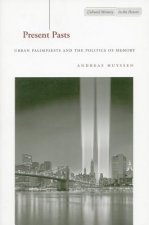
Present Pasts
 Angličtina
 51 b
51 b
30 dní na vrácení zboží
Zákazníci také koupili










 /
/
 Brožovaná
 1 620
Kč
1 620
Kč

 /
Brožovaná
1 257
Kč
/
Brožovaná
1 257
Kč



















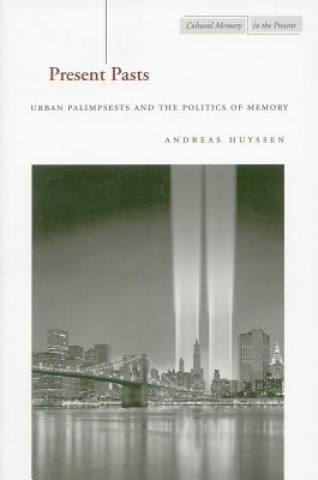
Memory of historical trauma has a unique power to generate works of art. This book analyzes the relation of public memory to history, forgetting, and selective memory in Berlin, Buenos Aires, and New York - three late-twentieth-century cities that have confronted major social or political traumas. Berlin experienced the fall of the Berlin Wall and the city's reemergence as the German capital; Buenos Aires lived through the dictatorships of the 1970s and 1980s and their legacy of state terror and disappearances; and New York City faces a set of public memory issues concerning the symbolic value of Times Square as threatened public space and the daunting task of commemorating and rebuilding after the attack on the World Trade Center. Focusing on the issue of monumentalization in divergent artistic and media practices, the book demonstrates that the transformation of spatial and temporal experience by memory politics is a major cultural effect of globalization.


Informace o knize
Angličtina
Kategorie

Darujte tuto knihu ještě dnes
Je to snadné
1 Přidejte knihu do košíku a zvolte doručit jako dárek 2 Obratem vám zašleme poukaz 3 Kniha dorazí na adresu obdarovanéhoMohlo by vás také zajímat




 /
Brožovaná
340
Kč
/
Brožovaná
340
Kč







 /
Brožovaná
237
Kč
/
Brožovaná
237
Kč