
 Kontakt
 Jak nakupovat
Doručení
Nákupní rádce
 Angličtina
 118 b
118 b
30 dní na vrácení zboží
Zákazníci také koupili









 /
/
 Pevná
Pevná
 640
Kč
640
Kč



 /
Brožovaná
445
Kč
/
Brožovaná
445
Kč


 /
Brožovaná
1 502
Kč
/
Brožovaná
1 502
Kč




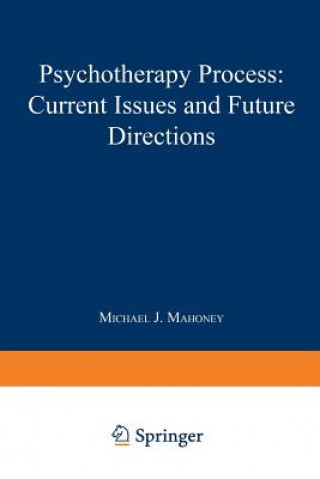
Whatever else it may be, psychotherapy offers a clear form of human com passion channeled through myriad assumptions about the causes and solu tions of human distress. There has, of course, been a longstanding debate about whether the psychotherapist is best described (and trained) as an artisan or a scientist. Volumes of scholarly argument have also addressed such themes as the essential ingredients of psychotherapy, the role of tech nique, the importance of client characteristics, and the significance of the therapist's personality. Experts have defended a wide range of opinions on these issues and have mustered evidence to support their individual claims. The purpose of the present volume is neither to defend nor to expand any specific claim about psychotherapy. Rather, it is intended to be a heuristic compendium of contemporary views on this humane endeavor. At the most basic level of analysis, the field of psychotherapy research now faces three fundamental questions: 1. Is psychotherapy effective? 2. When and why is it effective? 3. How should psychotherapists be trained? The latter two questions obviously presume that the first can be answered affirmatively. Although I would hardly defend the generalization that all forms of psychotherapy are effective for all clients, it is equally clear that there is now ample warrant for the contention that some of the things we do in our fifty-minute hours seem to have positive effects.


Informace o knize
Angličtina

Darujte tuto knihu ještě dnes
Je to snadné
1 Přidejte knihu do košíku a zvolte doručit jako dárek 2 Obratem vám zašleme poukaz 3 Kniha dorazí na adresu obdarovanéhoMohlo by vás také zajímat






 /
Pevná
5 435
Kč
/
Pevná
5 435
Kč

 /
Brožovaná
1 727
Kč
/
Brožovaná
1 727
Kč

Ahoj! Jsem Libroamiko, tvůj knižní rádce.
Jak ti můžu pomoct?