
 Kontakt
 Jak nakupovat
Doručení
Nákupní rádce
 Angličtina
 162 b
162 b
Až 30 dní na vrácení zboží
Zákazníci také koupili



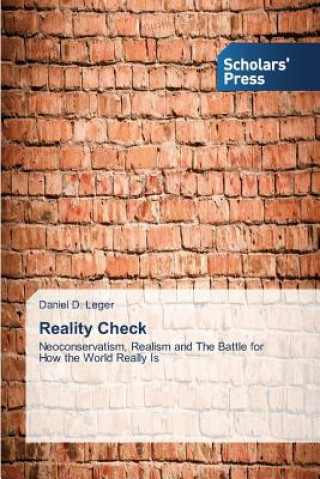
This book examines the public policy debates of the late 1960s to today involving arms control, détente and the War in Iraq in an effort to explain the essential strategic, political, and moral ingredients of a neoconservative foreign policy. In examining these policy debates, I take the perspective not of an historian but that of a political philosopher. I argue that there are two distinct lines of thought running through neoconservatism, the one strategic and the other political and moral. The two lines are married by Irving Kristol, Norman Podhoretz and others into a unified approach to foreign policy. Taken together with a philosophical and epistemological foundation at variance with the orthodoxy of its academic counterparts, neoconservatism is rightly understood to belong alongside modern realism, neorealism and neoliberalism as a distinct tradition in the study of international relations. On matters ranging from the importance of morality in foreign policy to the relevance of common sense as the standard for judging the effectiveness of public policy, the gulf between neoconservatism and the more mainstream traditions is very wide.


Informace o knize
Angličtina

Darujte tuto knihu ještě dnes
Je to snadné
1 Přidejte knihu do košíku a zvolte doručit jako dárek 2 Obratem vám zašleme poukaz 3 Kniha dorazí na adresu obdarovanéhoMohlo by vás také zajímat













Ahoj! Jsem Libroamiko, tvůj knižní rádce.
Jak ti můžu pomoct?