
 Kontakt
 Jak nakupovat
Doručení
Nákupní rádce
 Angličtina
 41 b
41 b
Až 30 dní na vrácení zboží

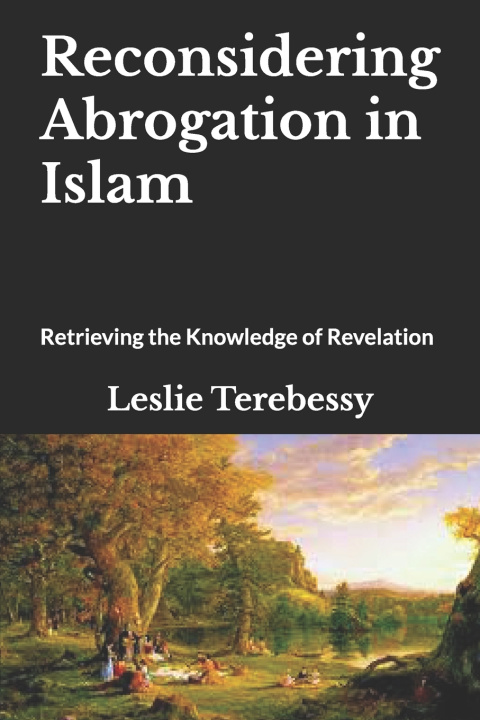
Abrogation is practiced in exegesis. It calls for the abrogation of different verses by verses that presumably "contradict" them, revealed afterwards. There are problems with this practice. The practice reflects a perfunctory reading of the Book of Allah that does not do justice to the Book. For the Book presents itself as "free of contradictions." To say that there are "contradictions" in the Book after Allah assures us that the Book is free from contradictions. The teaching of abrogation suggests that Allah "changed" his words, after informing us that we will never find a change in His words. Moreover the Book teaches that it is "the truth from your Lord." To assert that the Book is not "free from contradictions," after the Book asserts that it is "free from contradictions," is to treat the Book and its Author as less than truthful. This is impertinent. Furthermore, how could there be "contradictions" in a Book authored by the truly Wise and Knowledgeable? The perception of contradictions stems from approaching the Book without the full engagement of reason. After all, traditionists assert that using reason to understand revelation is kufr. Accordingly, the so-called "contradictions" are present in the imagination of the reader rather than in the Book itself. It is probable that approaching the Book without the engagement of reason results in kufr, i.e. the rejection of all verses reportedly "abrogated" by "contradictory verses. For the teaching of abrogation requires us to reject all the allegedly "abrogated" verses. But to reject a verse is to fall into kufr. As a result, the teaching of abrogation requires persons that endorse it to perpetrate kufr. To assert that Allah "contradicted" Himself several times is to ascribe a personal trait to Him, to treat Him as if He were a person. This is anthropomorphism, which is less than respectful. To "contradict" oneself is a trait of persons. Allah assures us that we will "never find a change" in His words. To ascribe "contradictions" to the Book is to reject all verses which teach that the Book is "free of contradictions." The teaching of abrogation also suggests that Allah did not preserve the Reminder as He promised. Militant ulama assert that a person that is not well-versed in the teaching of abrogation is not equipped to discuss revelation. Militant ulama assert that persons who reject the teaching of abrogation left the fold of Islam and therefore are to be killed. This is extreme. They assert that departing Islam is punishable by death. The teaching of abrogation requires reconsideration for further reasons. The teaching of abrogation is endorsed neither by revelation nor tradition. There is no consensus on which verses are "abrogated." Present-day jurists reject the teaching of abrogation as foreign to the teaching of revelation. The teaching of abrogation corrupted the knowledge of revelation. The teaching of abrogation prepared the way for extreme representations of revelation. The teaching of abrogation enabled the reinterpretation of revelation to justify wars of aggression, by "abrogating all verses that restrict fighting to self-defense or a fight against persecution. Wars of aggression were waged for the purpose of territorial expansion. War of aggression is known as jihad al-talab, and is treated as the "sixth pillar of Islam." Hawkish ulama transformed the perpetration of wars of aggression into a requirement of the faith. Hawkish ulama transformed the teaching of revelation into an instrument of repression by weaponizing exegesis and jurisprudence. The reinterpretation of revelation as a teaching of war transpired during the transition to hereditary rule. The alleged "abrogation" of the verses that teach reconciliation by verses of the sword, transformed Islam into political Islam. Hawkish rulers embarked on the "propagation" of Islam by the sword in a defiance of the prohibition of aggression Book of Allah.


Informace o knize
Angličtina
Kategorie

Darujte tuto knihu ještě dnes
Je to snadné
1 Přidejte knihu do košíku a zvolte doručit jako dárek 2 Obratem vám zašleme poukaz 3 Kniha dorazí na adresu obdarovanéhoAhoj! Jsem Libroamiko, tvůj knižní rádce.
Jak ti můžu pomoct?