
 Kontakt
 Jak nakupovat
Doručení
Nákupní rádce
 Angličtina
 110 b
110 b
Až 30 dní na vrácení zboží

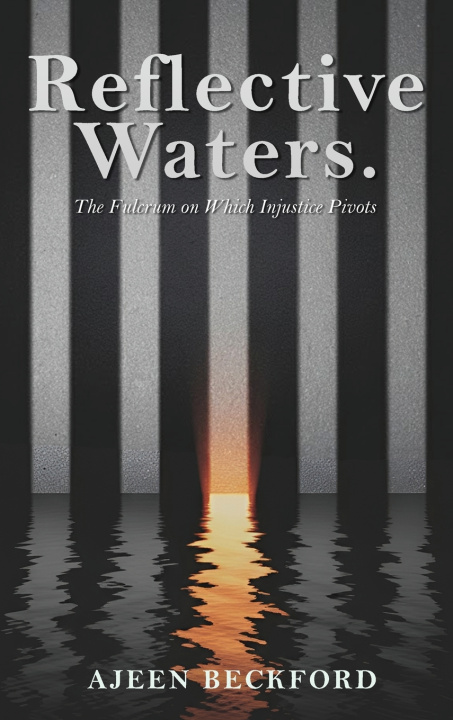
Reflective Waters: The Fulcrum on Which Injustice Pivots is a powerful work of narrative nonfiction that examines the fragile boundary between justice and injustice, truth and perception. Through a deeply personal lens, Ajeen Beckford reveals how legal and social systems, designed to protect, can become instruments of erasure when performance overrides evidence and fear is misinterpreted as guilt.
This book is not simply an account of one man's experience in family courts. It is an examination of systemic failures that unfold quietly and incrementally, often causing irreversible harm. Beckford exposes how domestic abuse can be overlooked through institutional bias, how parental love is manipulated into leverage, and how children can disappear not through physical absence, but through bureaucratic neglect and procedural delay.
Fatherhood becomes conditional. Access to children becomes currency. Love is reduced to a transaction governed by compliance. The phrase that echoes throughout the narrative-"If you want to love them, you must love me"-serves as the book's emotional and thematic anchor, capturing the distortion of family bonds and the transformation of parental devotion into captivity.
At its core, Reflective Waters is a meditation on survival, not triumphant survival, but the quiet endurance required of those trapped within systems that refuse to listen. The story begins with silence, not as emptiness, but as a survival mechanism. Beckford traces the subtle architecture of coercive control, revealing how emotional manipulation and conditional care replace overt violence, and how silence becomes both shield and prison.
Central to the narrative are children, not as abstract "best interests," but as living witnesses. Beckford documents how children absorb fear before they possess language, how they learn silence by observing adults navigate danger, and how the absence of protection becomes its own form of trauma. Fatherhood is not sentimentalized; it is presented as a moral obligation requiring restraint, endurance, and strategic patience in the face of provocation.


Informace o knize
Angličtina

Darujte tuto knihu ještě dnes
Je to snadné
1 Přidejte knihu do košíku a zvolte doručit jako dárek 2 Obratem vám zašleme poukaz 3 Kniha dorazí na adresu obdarovanéhoAhoj! Jsem Libroamiko, tvůj knižní rádce.
Jak ti můžu pomoct?