
 Kontakt
 Jak nakupovat

Doručení
Nákupní rádce
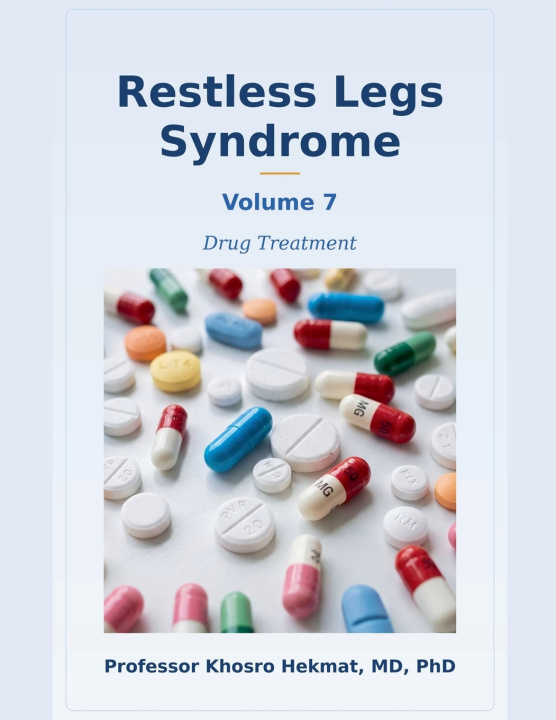
Restless Legs Syndrome - Drug Treatment
 Angličtina
 93 b
 Připravujeme
 Nové
Až 30 dní na vrácení zboží

Understanding medication - and deciding together.
Not one medication was developed specifically for restless legs syndrome. They all come from other fields of medicine: from epilepsy, from Parkinson's disease, from pain management. That makes it all the more important to know what they genuinely achieve and what they do not.
This is the largest volume of the series. It discusses every drug individually, each with a profile table: dose, timing, onset of action, side effects, interactions and the trial evidence behind it. Honest about benefit and risk, without playing anything down and without scaremongering.
It also sets out what has changed in the guidelines and where they still differ: why the American guideline of 2025 puts the alpha-2-delta ligands first, why the German guideline still names dopamine agonists as a first-line option, and on what conditions opioids come into consideration - with all the common opioids compared by potency and half-life.
WHAT IS IN THE BOOK
- Gabapentin, gabapentin enacarbil and pregabalin: the alpha-2-delta ligands
- Pramipexole, ropinirole and rotigotine, each with its own chapter
- Levodopa: effective, but only for clearly limited exceptions
- Opioids as second-line treatment, all compared side by side
- The further drugs that get tried, and what to make of them
- Medicines that can trigger or worsen restless legs syndrome
- All the drug profiles collected again in an appendix
- How to read the numbers from trials, what the placebo effect contributes, and how to tell a controlled finding from an association or a hypothesis
WHO THIS BOOK IS FOR
For patients before or during drug treatment, for anyone considering a change of medication, and for health professionals who want an orderly, referenced overview of the drugs in use.
ABOUT THE SERIES
Volume 7 of 52 in the book series on restless legs syndrome, part "Treatment". Every volume can be read on its own. The statements in this volume rest on 620 professional sources, each one listed individually in the reference section.


Informace o knize
Angličtina

Darujte tuto knihu ještě dnes
Je to snadné
1 Přidejte knihu do košíku a zvolte doručit jako dárek 2 Obratem vám zašleme poukaz 3 Kniha dorazí na adresu obdarovanéhoAhoj! Jsem Libroamiko, tvůj knižní rádce.
Jak ti můžu pomoct?