
 Kontakt
 Jak nakupovat
Doručení
Nákupní rádce
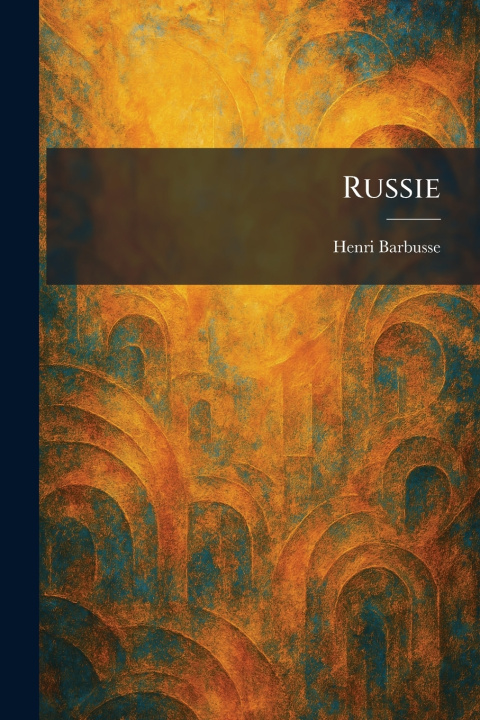
Russie
 Francouzština
 53 b
53 b
 Nové
Nové
30 dní na vrácení zboží

"Russie" est un témoignage puissant et engagé de l'écrivain Henri Barbusse sur la réalité de l'Union soviétique à la fin des années 1920. À travers ce récit de voyage et d'observation, l'auteur explore les transformations radicales de la société russe sous le régime bolchevique. Barbusse livre une analyse passionnée des progrès industriels, agricoles et sociaux qu'il observe, tout en exprimant sa conviction profonde envers l'idéal communiste et la reconstruction d'un pays dévasté par la guerre civile.
L'Åuvre offre un regard fascinant sur la construction du premier État socialiste au monde, dépeignant avec ferveur les espoirs et les défis d'un peuple en pleine mutation révolutionnaire. Ce document historique est essentiel pour comprendre la fascination des intellectuels occidentaux pour l'expérience soviétique durant l'entre-deux-guerres. Alliant reportage journalistique et réflexion politique, "Russie" demeure un témoignage précieux sur une époque charnière de l'histoire mondiale et sur l'évolution de la pensée de l'un des plus grands écrivains pacifistes de son temps.
This work has been selected by scholars as being culturally important, and is part of the knowledge base of civilization as we know it. This work was reproduced from the original artifact, and remains as true to the original work as possible. Therefore, you may see the original copyright references, library stamps (as most of these works have been housed in our most important libraries around the world), and other notations in the work.
This work is in the public domain in the United States of America, and possibly other nations. Within the United States, you may freely copy and distribute this work, as no entity (individual or corporate) has a copyright on the body of the work.
As a reproduction of a historical artifact, this work may contain missing or blurred pages, poor pictures, errant marks, etc. Scholars believe, and we concur, that this work is important enough to be preserved, reproduced, and made generally available to the public. We appreciate your support of the preservation process, and thank you for being an important part of keeping this knowledge alive and relevant.


Informace o knize
Francouzština
