
 Kontakt
 Jak nakupovat
Doručení
Nákupní rádce
 Angličtina
 65 b
65 b
 Připravujeme
 Nové
Nové
 Vydání 06. 08. 2026
Až 30 dní na vrácení zboží

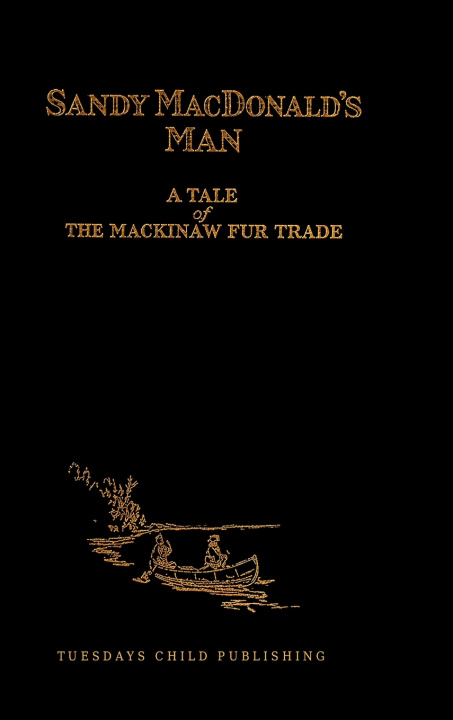
This book offers a raw glimpse into a lost world. When young James is sent from his uncle's trading post at Mackinaw into the wilderness of the upper Great Lakes, he's chasing something every era recognizes: the chance to prove himself. What follows is a season of canoe brigades and winter cabins, a feud with a ruthless monopoly, threats from a rival trader, a starving stranger nursed back from the brink, and an old Chippewa chief's fireside account of a battle fought a generation before James was born. By the time he paddles home, he's earned more than his uncle's trade. He has found himself.
R. Clyde Ford wrote this novel in 1928, and the fur trade he described had already passed into history around 1830, roughly as distant to him as his own book now is to us. That doubling is part of what makes Sandy MacDonald's Man worth returning to. It is a 1929 historian's imagining of the 1830s, and reading it today means looking through both windows at once. The modern reader will find it both encouraging and uncomfortable. Ford doesn't flinch from calling the fur trade's dealings with Native peoples "disguised fraud," even as the novel he wrote around that reckoning stays squarely within a young white trader's point of view. The portrayal of Native characters is mixed. The old Chippewa chief from that fireside scene is given real interiority, his story told at length with genuine narrative respect. Elsewhere, however, Native communities are seen only through an outsider's eyes. Women are almost entirely absent from this story about men measuring themselves against the wilderness and each other. The language is dated, and terms that are now disused are scattered throughout this book.
None of that makes the book less worth reading; if anything, it makes it a sharper artifact than a simple adventure yarn. Written by a man who saw some of the trade's costs clearly yet still built a boy's-adventure story on top of them, it rewards a modern reader's double vision: enjoy the canoe-brigade thrills Ford wrote to entertain, and notice, as he himself only half-noticed, everything the story leaves outside the frame.


Informace o knize
Angličtina

Darujte tuto knihu ještě dnes
Je to snadné
1 Přidejte knihu do košíku a zvolte doručit jako dárek 2 Obratem vám zašleme poukaz 3 Kniha dorazí na adresu obdarovanéhoAhoj! Jsem Libroamiko, tvůj knižní rádce.
Jak ti můžu pomoct?