
 Kontakt
 Jak nakupovat
Doručení
Nákupní rádce
 Angličtina
 114 b
114 b
Až 30 dní na vrácení zboží
Zákazníci také koupili






 /
/
 Brožovaná
 1 260
Kč
1 260
Kč
















 /
Brožovaná
853
Kč
/
Brožovaná
853
Kč

 /
Brožovaná
369
Kč
/
Brožovaná
369
Kč


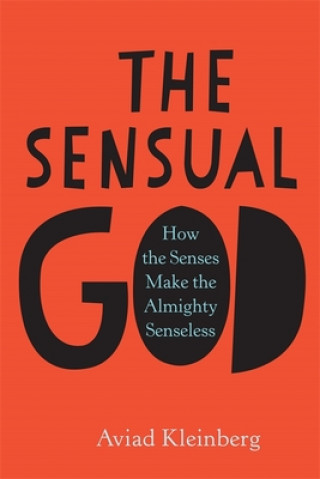
In the Old Testament, God wrestles with a man (and loses). In the Talmud, God wriggles his toes to make thunder and takes human form to shave the king of Assyria. In the New Testament, God is made flesh and dwells among humans. For religious thinkers trained in Greek philosophy and its deep distaste for matter, sacred scripture can be distressing. A philosophically respectable God should be untainted by sensuality, yet the God of sacred texts is often embarrassingly sensual. Setting experts' minds at ease was neither easy nor simple, and, quite often, faith and logic were stretched to their limits. Focusing on examples from both Christian and Jewish sources, from the Bible to the Late Middle Ages, Aviad Kleinberg examines the way Christian and Jewish philosophers, exegetes, and theologians attempted to reconcile God's supposed ineffability with numerous biblical and post-biblical accounts of seeing, hearing, smelling, touching, and even tasting the almighty. The conceptual entanglements ensnaring religious thinkers, and the strange, ingenious solutions they used to extricate themselves, tell us something profound about human needs and divine attributes, about faith, hope, and cognitive dissonance.


Informace o knize
Angličtina

Darujte tuto knihu ještě dnes
Je to snadné
1 Přidejte knihu do košíku a zvolte doručit jako dárek 2 Obratem vám zašleme poukaz 3 Kniha dorazí na adresu obdarovanéhoMohlo by vás také zajímat






 /
Brožovaná
391
Kč
/
Brožovaná
391
Kč







 /
Brožovaná
351
Kč
/
Brožovaná
351
Kč


Ahoj! Jsem Libroamiko, tvůj knižní rádce.
Jak ti můžu pomoct?