
 Kontakt
 Jak nakupovat
Doručení
Nákupní rádce
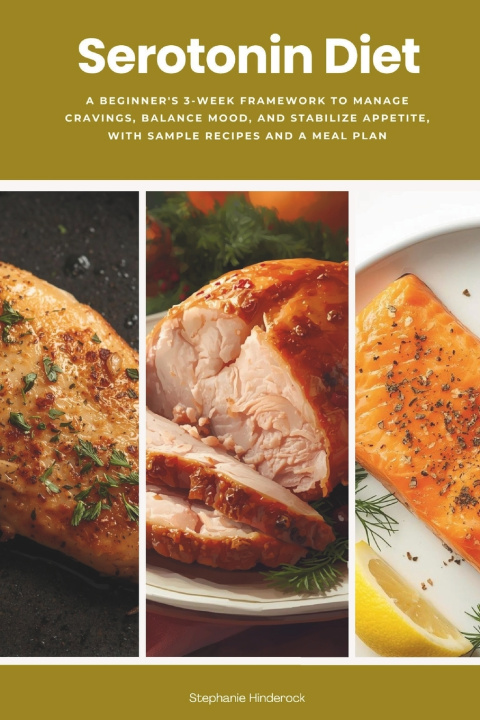
Serotonin Diet
A Beginner's 3-Week Framework to Manage Cravings, Balance Mood, and Stabilize Appetite, With Sample Recipes and a Meal Plan
 Angličtina
 32 b
32 b
Až 30 dní na vrácení zboží

Serotonin plays a central role in how we eat, how we feel, and how we function day to day.
It influences our mood, appetite, sleep quality, pain sensitivity, digestion, and even how well we cope with stress. Often referred to as the body's "feel-good" chemical, serotonin isn't just about emotions-it shapes how and when we reach for food, how satisfied we feel after eating, and whether cravings are driven by true hunger or emotional need.
For many people, persistent low mood, fatigue, irritability, and compulsive eating may not reflect a lack of willpower or discipline. These symptoms are sometimes associated with changes in serotonin signaling-particularly when tryptophan availability is limited or when hormonal and metabolic shifts affect how serotonin is produced or used in the body.
This guide is for people who suspect that emotional eating, carb cravings, and mood-related weight changes might be connected. It's also for those who've noticed that standard restrictive diets leave them feeling worse: more anxious, more prone to bingeing, and more disconnected from their body's natural cues.
What This Guide Offers
Over the next 10 chapters, you'll learn how dietary strategies-especially those involving protein timing, complex carbohydrates, nutrient cofactors, and meal regularity-can support natural serotonin production. The approach follows a three-week structure built around the following phases:
- Week 1: Serotonin Surge: Uses strategic carbohydrate intake to gently boost tryptophan availability and support serotonin synthesis.
- Week 2: Serotonin Balance: Focuses on stabilizing mood and appetite while gradually reducing reliance on snack-based serotonin boosts.
- Week 3: Serotonin Control: Helps train the body and brain to regulate hunger and mood with fewer food-based triggers.


Informace o knize
Angličtina
