
 Kontakt
 Jak nakupovat
Doručení
Nákupní rádce
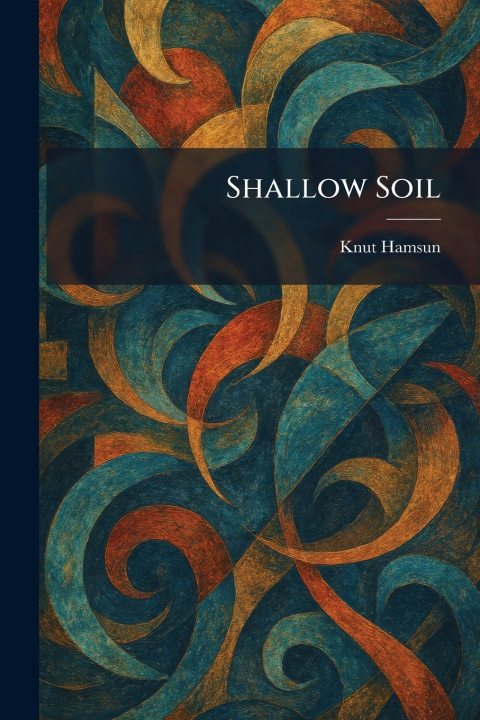
Shallow Soil
 Angličtina
 58 b
58 b
 Nové
Nové
30 dní na vrácení zboží

"Shallow Soil" is a sharp and provocative social satire by the Nobel Prize-winning author Knut Hamsun. Set in the late nineteenth century in Christiania (modern-day Oslo), the novel offers a biting critique of the city's self-important Bohemian circles. Hamsun masterfully contrasts the shallow, pretentious lives of poets and artists-who live on credit and vanity-with the grounded, productive lives of the merchant class, represented by characters who embody diligence and moral integrity.
Through a series of intertwined relationships and social encounters, the narrative explores themes of moral decay, the fickleness of fame, and the clash between traditional values and modern urban decadence. The characters are drawn with Hamsun's characteristic psychological depth and ironic wit, highlighting the tragicomic nature of a society obsessed with status and intellectual posturing. "Shallow Soil" remains a compelling exploration of human character and social hypocrisy, showcasing the early stylistic brilliance that established Hamsun as a master of modern European literature. Readers interested in historical fiction, psychological realism, and the evolution of the modern novel will find this work an essential piece of Hamsun's storied bibliography.
This work has been selected by scholars as being culturally important, and is part of the knowledge base of civilization as we know it. This work was reproduced from the original artifact, and remains as true to the original work as possible. Therefore, you may see the original copyright references, library stamps (as most of these works have been housed in our most important libraries around the world), and other notations in the work.
This work is in the public domain in the United States of America, and possibly other nations. Within the United States, you may freely copy and distribute this work, as no entity (individual or corporate) has a copyright on the body of the work.
As a reproduction of a historical artifact, this work may contain missing or blurred pages, poor pictures, errant marks, etc. Scholars believe, and we concur, that this work is important enough to be preserved, reproduced, and made generally available to the public. We appreciate your support of the preservation process, and thank you for being an important part of keeping this knowledge alive and relevant.


Informace o knize
Angličtina
