
 Kontakt
 Jak nakupovat
Doručení
Nákupní rádce
 Angličtina
 160 b
160 b
Až 30 dní na vrácení zboží
Zákazníci také koupili












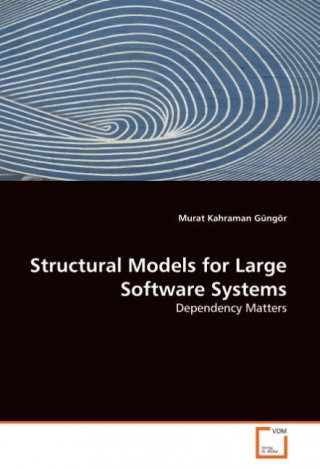
Today, software is found in almost all systems, vehicles, communication devices, medical equipments, and entertainment, for example. The size and complexity of these systems has grown continuously over the last forty years ? the time span for modern computing. The latest release of the Windows operating system, called Vista, is more than fifty million lines of code, about 40% bigger than the previous version. Some of the reasons for this are numerous feature demands and the need to support multiple platforms, and need for compatibility with legacy software and hardware. Each line of code, in these large systems, requires perhaps several technical decisions, often, but not always simple. The sheer volume of this decision making process is daunting. No single human can fully understand a system of high complexity. To help ameliorate this problem, systems are decomposed into subsystems, libraries, modules, and classes. Most of these components have interdependencies, in order to provide services, one to another. However, in systems of great size, the dependencies often become a dense web of relationships. It is exactly this problem on which we focus in this book.


Informace o knize
Angličtina

Darujte tuto knihu ještě dnes
Je to snadné
1 Přidejte knihu do košíku a zvolte doručit jako dárek 2 Obratem vám zašleme poukaz 3 Kniha dorazí na adresu obdarovanéhoMohlo by vás také zajímat












 /
/
 Brožovaná
 2 048
Kč
2 048
Kč





Ahoj! Jsem Libroamiko, tvůj knižní rádce.
Jak ti můžu pomoct?