
 Kontakt
 Jak nakupovat
Doručení
Nákupní rádce
Structure and Function of Invertebrates
 Angličtina
 162 b
162 b
Až 30 dní na vrácení zboží

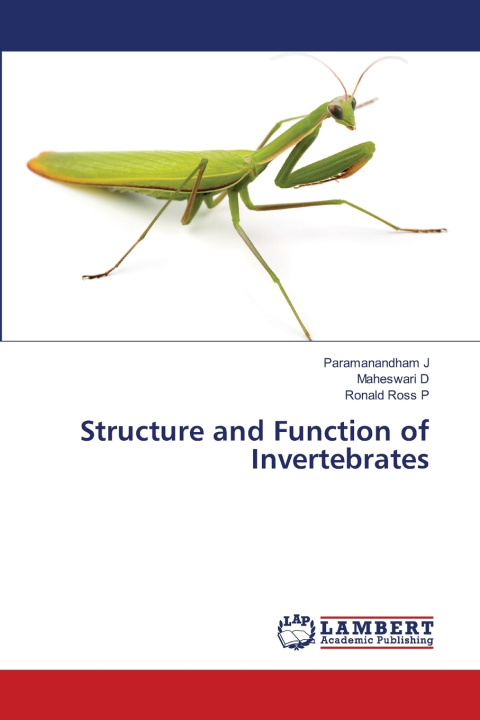
Invertebrates, over 95% of animal species, exhibit diverse structural and functional adaptations for survival. This book explores their body organization, including various symmetry, as well as skeletal structures like hydrostatic skeletons in annelids, exoskeletons in arthropods, and endoskeletons in echinoderms. Locomotion varies from ciliary movement in protozoans to jet propulsion in cephalopods. Feeding strategies include filter feeding, predation, and parasitism, with digestive systems ranging from simple gastrovascular cavities to complete alimentary canals. Circulatory and respiratory adaptations, such as open and closed systems, gills, tracheal systems, and cutaneous respiration, reflect their ecological diversity. Nervous system complexity ranges from nerve nets in cnidarians to highly developed brains in cephalopods, supported by sensory organs like compound eyes and statocysts. Reproduction occurs through asexual and sexual methods, with many species undergoing metamorphosis. The book also examines invertebrates' vital ecological roles in pollination, decomposition, and food chains, emphasizing their evolutionary success and environmental significance.


Informace o knize
Angličtina

Darujte tuto knihu ještě dnes
Je to snadné
1 Přidejte knihu do košíku a zvolte doručit jako dárek 2 Obratem vám zašleme poukaz 3 Kniha dorazí na adresu obdarovanéhoAhoj! Jsem Libroamiko, tvůj knižní rádce.
Jak ti můžu pomoct?