
 Kontakt
 Jak nakupovat
Doručení
Nákupní rádce
 Angličtina
 360 b
360 b
 Připravujeme
 Nové
Nové
 Vydání 18. 09. 2026
30 dní na vrácení zboží

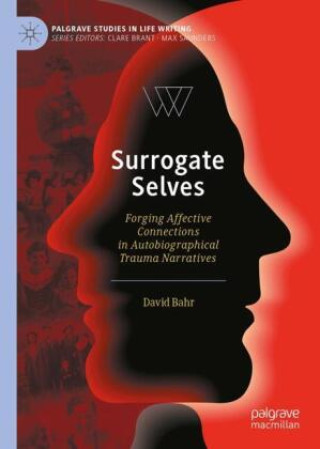
An autobiographically inflected work of lifewriting scholarship, this groundbreaking study examines how five autobiographical (or, in Tim O Brien s case, autobiographically adjacent) literary texts The Things They Carried by Tim O Brien; Kaddish by Allen Ginsberg; The White Album by Joan Didion; and Prisoner on the Hell Planet by Art Spiegelman, and Psychiatric Tales by Darryl Cunningham use distinct techniques of their respective genres metafiction, poetry, essay, graphic narrative to communicate the affective experience of psychic pain. This book situates the autobiographical subject/text as a stand-in (a surrogate self) for readers unable to give voice to their trauma.
Building on foundational lifewriting scholarship particularly the work of Philippe Lejeune, James Olney, John Paul Eakin, and Mary Mason this book enlarges the scope of the relational self posited by Mason and subsequent feminist lifewriting scholars and extends the concept of relationality from the autobiographical subject and chosen other within an autobiographical text to the autobiographical text and the reader, specifically, here, in autobiographies of trauma. It further draws on pain and trauma studies and affect theory to explore how specific literary genres affectively transmit embodied psychic pain.As a former foster child and ward of the state with no surviving family or institutional records, the author has turned to the texts examined here specifically those of O Brien, Didion, Ginsberg, and Spiegelman in the (re)construction of his lost, fragmented, and traumatic history, helping to objectify and articulate embodied memories that otherwise have had no locus. At key moments in the book, the author discusses his autobiography and affective connections to these four works, merging theory and practice. The book is distinctive in using this extended theoretical approach and the strategic use of autobiographical writing and personal history to map how O Brien, Ginsberg, Didion, Spiegelman, and Cunningham communicate the experience of psychic pain.


Informace o knize
Angličtina
