
 Kontakt
 Jak nakupovat
Doručení
Nákupní rádce
Synoptische Studien
 Němčina
 53 b
53 b
 Nové
Nové
30 dní na vrácení zboží

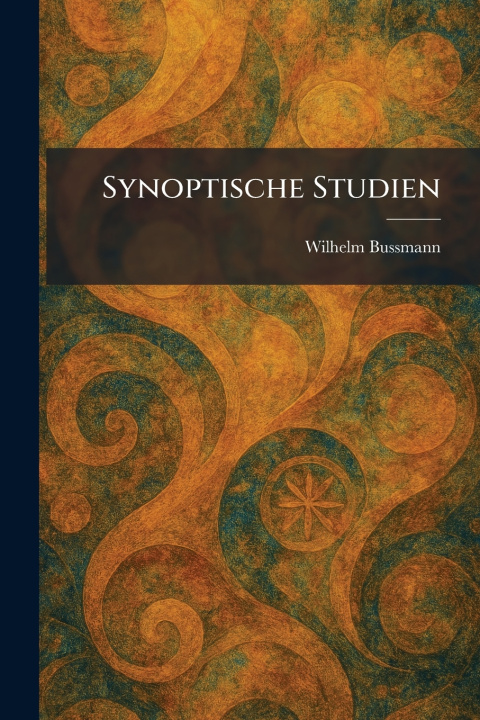
"Synoptische Studien" von Wilhelm Bussmann ist ein bedeutendes Werk der neutestamentlichen Exegese, das sich intensiv mit der sogenannten synoptischen Frage auseinandersetzt. Der Autor untersucht die literarischen Beziehungen und Gemeinsamkeiten zwischen den Evangelien nach Matthäus, Markus und Lukas, um die Entstehungsgeschichte und die Quellenabhängigkeit dieser zentralen Texte zu klären.
Bussmann analysiert akribisch die sprachlichen und strukturellen Parallelen und bietet fundierte Einblicke in die frühe christliche Ãberlieferung. Dieses Werk stellt einen wichtigen Beitrag zur Bibelwissenschaft des frühen 20. Jahrhunderts dar und ist eine unverzichtbare Ressource für Theologen, Historiker und alle, die sich für die textliche Entwicklung des Neuen Testaments interessieren. Durch seine systematische Herangehensweise beleuchtet der Autor die Komplexität der Evangelienharmonie und liefert wertvolle Impulse für die historisch-kritische Forschung.
This work has been selected by scholars as being culturally important, and is part of the knowledge base of civilization as we know it. This work was reproduced from the original artifact, and remains as true to the original work as possible. Therefore, you may see the original copyright references, library stamps (as most of these works have been housed in our most important libraries around the world), and other notations in the work.
This work is in the public domain in the United States of America, and possibly other nations. Within the United States, you may freely copy and distribute this work, as no entity (individual or corporate) has a copyright on the body of the work.
As a reproduction of a historical artifact, this work may contain missing or blurred pages, poor pictures, errant marks, etc. Scholars believe, and we concur, that this work is important enough to be preserved, reproduced, and made generally available to the public. We appreciate your support of the preservation process, and thank you for being an important part of keeping this knowledge alive and relevant.


Informace o knize
Němčina
