
 Kontakt
 Jak nakupovat
Doručení
Nákupní rádce
 Angličtina
 111 b
111 b
Až 30 dní na vrácení zboží
Zákazníci také koupili












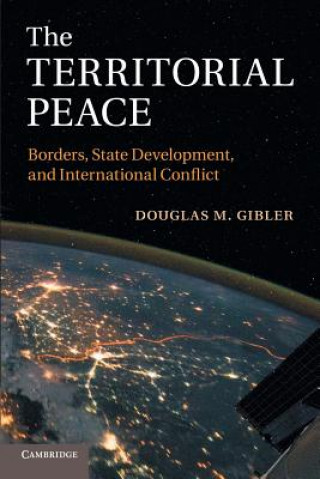
There is continued discussion in International Relations surrounding the existence (or not) of the 'democratic peace' - the idea that democracies do not fight each other. This book argues that threats to homeland territories force centralization within the state, for three reasons. First, territorial threats are highly salient to individuals, and leaders must respond by promoting the security of the state. Second, threatened territories must be defended by large, standing land armies and these armies can then be used as forces for repression during times of peace. Finally, domestic political bargaining is dramatically altered during times of territorial threat, with government opponents joining the leader in promoting the security of the state. Leaders therefore have a favorable environment in which to institutionalize greater executive power. These forces explain why conflicts are associated with centralized states, and in turn why peace is associated with democracy.


Informace o knize
Angličtina
Kategorie

Darujte tuto knihu ještě dnes
Je to snadné
1 Přidejte knihu do košíku a zvolte doručit jako dárek 2 Obratem vám zašleme poukaz 3 Kniha dorazí na adresu obdarovanéhoMohlo by vás také zajímat





 /
/
 Brožovaná
 362
Kč
362
Kč