
 Kontakt
 Jak nakupovat
Doručení
Nákupní rádce
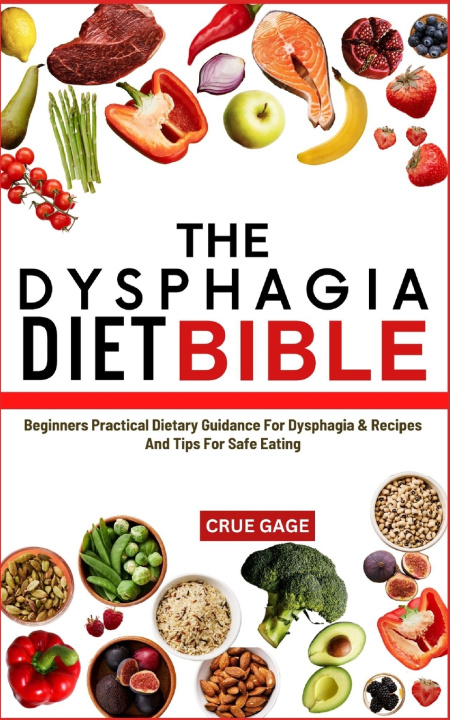
THE DYSPHAGIA DIET BIBLE
Beginners Practical Dietary Guidance For Dysphagia & Recipes And Tips For Safe Eating
 Angličtina
 31 b
31 b
Až 30 dní na vrácení zboží

Dysphagia is a medical term that refers to the inability to ingest. A multitude of factors can contribute to its occurrence, including neurological conditions (such as Parkinson's disease or stroke), structural issues (such as strictures or tumors), or muscular disorders.
Symptoms may encompass the sensation of food becoming lodged in the esophagus or chest, coughing or choking during meals, or experiencing discomfort while swallowing. The treatment is contingent upon the underlying cause and may involve dietary modifications, dysphagia therapy, or medical interventions.
Dysphagia is a medical term that refers to the inability to ingest. A multitude of factors can contribute to its occurrence, including neurological conditions (such as Parkinson's disease or stroke), structural issues (such as strictures or tumors), or muscular disorders.
Symptoms may encompass the sensation of food becoming lodged in the esophagus or chest, coughing or choking during meals, or experiencing discomfort while swallowing. The treatment is contingent upon the underlying cause and may involve dietary modifications, dysphagia therapy, or medical interventions.
Diet management is crucial for individuals with dysphagia for several reasons:
• Safety: Proper dietary modifications can help prevent choking or aspiration (food entering the airway), which can lead to pneumonia or other serious complications.
• Nutritional Adequacy: Adapting the diet ensures that individuals receive the necessary nutrients, as swallowing difficulties may limit food choices.
• Improved Quality of Life: A well-managed diet can enhance the enjoyment of meals and social interactions, reducing the stress associated with eating.
• Swallowing Efficiency: Certain food textures (e.g., pureed or thickened liquids) can make swallowing easier and more effective, minimizing discomfort and improving swallowing function.
• Preventing Malnutrition and Dehydration: Careful dietary planning helps avoid malnutrition and dehydration, which are common risks for individuals with dysphagia.
Overall, diet management tailored to the individual's specific needs is an essential component of dysphagia treatment and care.


Informace o knize
Angličtina
