
 Kontakt
 Jak nakupovat
Doručení
Nákupní rádce
 Angličtina
 34 b
34 b
 Nové
Nové
Až 30 dní na vrácení zboží

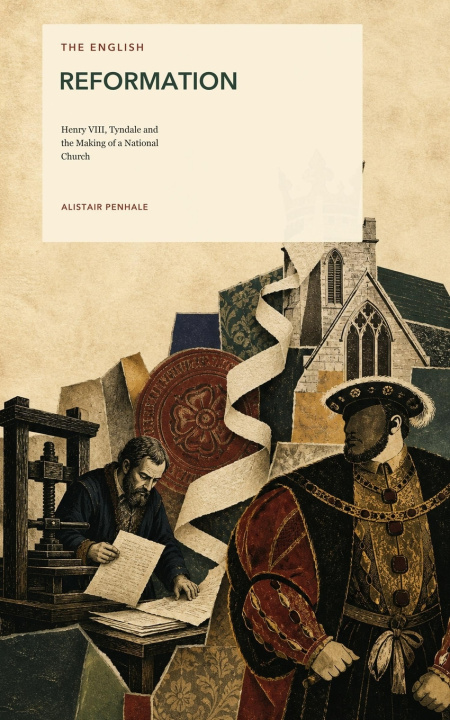
In England the break came from the top and the belief came later, or partly, or not at all.
A king wanted a son and a legal ruling. What followed was a national church, the dissolution of nearly nine hundred religious houses, a rising in the north that came closer to succeeding than is usually remembered, two complete reversals of official religion within twelve years, and a settlement that left a great deal deliberately unsaid.
How quickly the country became Protestant, and how willingly, is among the sharpest arguments in English historical writing. The older account of a reform that was welcomed because the medieval church had exhausted itself, and the revisionist account of a parish religion that was popular, well funded and taken away from people who did not ask for its removal, are both given their full weight here. The argument is not settled in these pages, and the reader is told plainly where the evidence runs out.
The book follows the politics and the parishes together: Cromwell's machinery of state, the wall paintings whitewashed and the guilds dissolved, Tyndale's translation and the death it cost him, Cranmer's prayer books, the burnings under Mary and the executions under Elizabeth, and the long Elizabethan compromise that governed by not asking too closely what anyone believed.
There is no martyrology in either direction. This is a work of history.


Informace o knize
Angličtina
