
 Kontakt
 Jak nakupovat
Doručení
Nákupní rádce
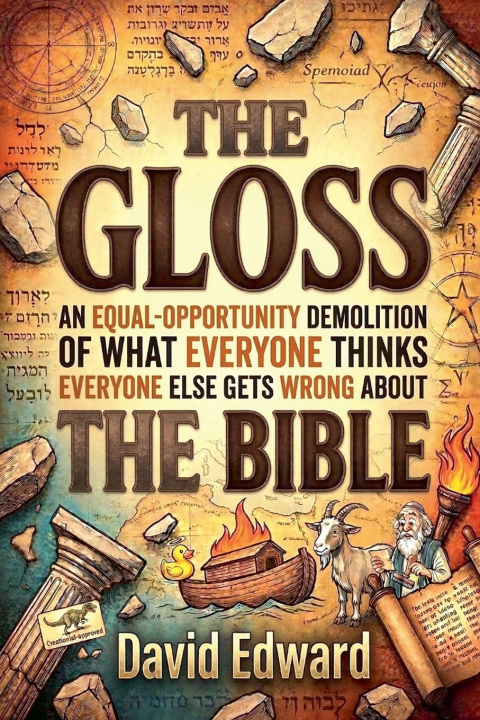
The Gloss
An Equal-Opportunity Demolition of What Everyone Thinks Everyone Else Gets Wrong About the Bible
 Angličtina
 47 b
47 b
Až 30 dní na vrácení zboží

Everyone in the room is going to be mad at the author at some point. The theologian by page two. The skeptic by chapter seven. The cosmologist by the napkin math. But the text underneath all of it has been sitting there for four thousand years, unbothered, waiting for someone to stop arguing about the wrapper and open the thing.
Two thousand years of argument have produced two sides, two sets of credentials, two gift shops, and zero resolutions. Both sides are right about what the other side gets wrong. Both sides hear that and stop listening before the part where it applies to them.
This book applies a book called How to Read a Book, in a book about reading a book, using third-grade math and second-grade punctuation. The math that ends cosmology is multiplication. The author peaked at long division and it was still enough. You are finding this out on the back of a book with a rubber duck on the front.
The journey to get there involves Chevy Chase stealing your hubcaps, a fireworks factory vigorously denied by Leslie Nielsen, a Hebrew encoding architecture that predates the internet by three thousand years, and the uncomfortable conclusion that the guy with the hair on the History Channel has been right for twenty-five of them.
The writing is not complex. The author cannot help that.
But by the end, the theologian, the skeptic, the cosmologist, and everyone who has ever argued about this at a bar will all have someone new to be mad at.
Specifically, the author, who just figured out that Giorgio Tsoukalos solved Christianity.


Informace o knize
Angličtina

Darujte tuto knihu ještě dnes
Je to snadné
1 Přidejte knihu do košíku a zvolte doručit jako dárek 2 Obratem vám zašleme poukaz 3 Kniha dorazí na adresu obdarovanéhoAhoj! Jsem Libroamiko, tvůj knižní rádce.
Jak ti můžu pomoct?