
 Kontakt
 Jak nakupovat
Doručení
Nákupní rádce
 Angličtina
 34 b
34 b
 Nové
Nové
Až 30 dní na vrácení zboží

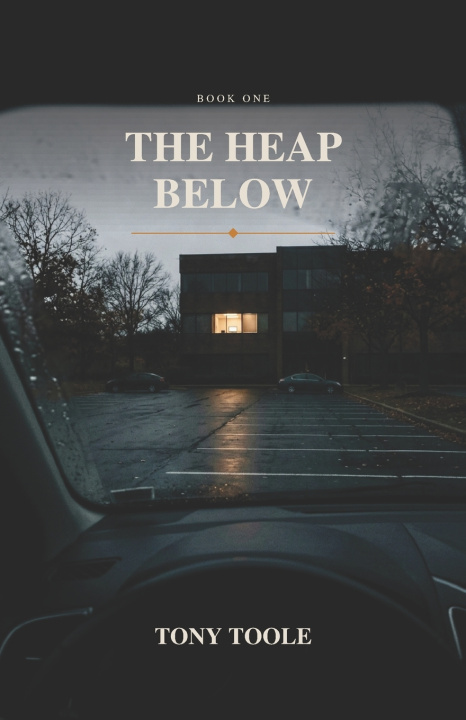
Maya Chen thought she was stepping into the kind of job engineers fantasize about: difficult, secretive, and important.
Tclang promised all of it. A native compiler for an old scripting language, built by a tiny team inside an unremarkable Massachusetts office park. From the outside, the project looks like ambition wrapped in obscurity. From the inside, Maya discovers a codebase with two architectures buried in it, a version frozen at 0.9.0-alpha, and a reverted commit dated eighteen months before her arrival with only four words: Do not re-apply.
She was hired to write code. She finds herself reading history.
Priya Nair's name surfaces in comments, in blame output, in a stairwell conversation nobody wanted to have. She left two years ago, and the team has been building over her architecture ever since. But her code is still in the repository. Her breadcrumbs are still in the headers. And five commits made in three hours on a Thursday night, then force-pushed out of existence the next morning, sit in the reflog like evidence someone forgot to destroy.
As Maya traces the bugs through the layers, a format specifier that shouldn't fail, a double decrement that crashes only under the right conditions, a test suite that never asked the right questions, she begins to see the shape of something larger: a pattern of decisions nobody signed their name to, authorship that got filed without attribution, and a quiet erasure that the codebase still remembers.
Some bugs are accidents. Some are history. And in a system built by careful people, curiosity can be the thing that makes you useful, and the thing that makes it impossible to look away.
The Heap Below is the first book in a trilogy about compilers, ownership, and the invisible architecture that holds everything up. For readers who write code and readers who want to know what it feels like when the code writes back.


Informace o knize
Angličtina

Darujte tuto knihu ještě dnes
Je to snadné
1 Přidejte knihu do košíku a zvolte doručit jako dárek 2 Obratem vám zašleme poukaz 3 Kniha dorazí na adresu obdarovanéhoAhoj! Jsem Libroamiko, tvůj knižní rádce.
Jak ti můžu pomoct?