
 Kontakt
 Jak nakupovat
Doručení
Nákupní rádce
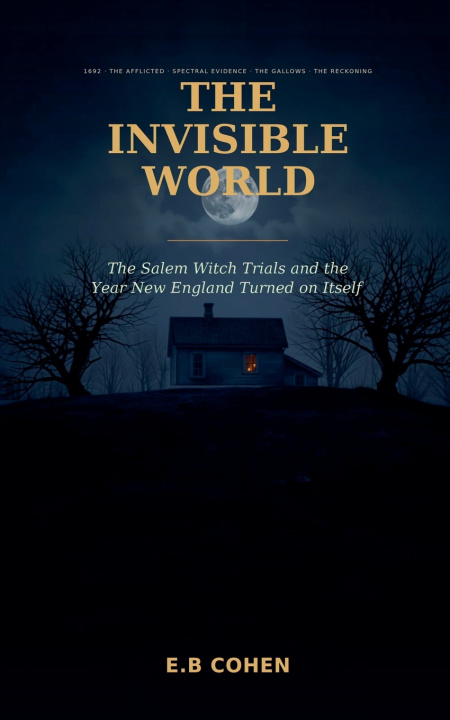
The Invisible World
 Angličtina
 56 b
56 b
 Připravujeme
 Nové
Nové
Až 30 dní na vrácení zboží

On a raw January night in 1692, in the parsonage of a small New England farming village, a nine-year-old girl began to convulse in a way no one in the room could explain. Within a year the Massachusetts Bay Colony had hanged nineteen of its own people for a crime that does not exist, crushed a twentieth to death beneath stones for refusing to plead, and left at least five more to die in its jails. A community that prided itself on being a city on a hill - a model of godly order for the whole world to watch - had convinced itself that the Devil was loose among its neighbors, and killed to be rid of him.
In The Invisible World, E.B Cohen tells the whole story of the Salem witch trials, hour by hour, from the surviving record its own participants so meticulously kept. The astonishing thing about Salem, Cohen shows, is not that it happened in some benighted medieval past - it happened in 1692, five years after Newton published the Principia, among literate, churchgoing, self-governing people who wrote down the accusations, the confessions, the questions the magistrates asked and the answers the terrified gave, and the expenses of the executions. Because they wrote it all down, we can watch the disaster build from one household's private dread into a machine that consumed a county.
It follows the whole arc: the anxious world that made the fear possible, the fits in the parsonage that began as a medical mystery rather than a witch-hunt, the doctor's fateful verdict of "an Evil Hand," the special court that gave the panic legal form, and the single unfalsifiable accusation - I saw your shape torment me - that overrode every safeguard a society had built. And it follows the sudden collapse when doubt finally reached the powerful, and the long reckoning that in a real sense ended only in the twenty-first century. Cohen is fair to everyone caught inside it: not only the victims but the accusers, judges, and ministers, most of them neither monsters nor fools but ordinary people inside a set of beliefs that made monstrous things seem reasonable.
We keep returning to Salem because we suspect, correctly, that it is not really about witches. It is about what a frightened community does with its fear, how easily the machinery of justice can be turned to injustice, and how quickly the invisible world can override the visible one. Those are not seventeenth-century problems. They are ours.


Informace o knize
Angličtina
Kategorie

Darujte tuto knihu ještě dnes
Je to snadné
1 Přidejte knihu do košíku a zvolte doručit jako dárek 2 Obratem vám zašleme poukaz 3 Kniha dorazí na adresu obdarovanéhoAhoj! Jsem Libroamiko, tvůj knižní rádce.
Jak ti můžu pomoct?