
 Kontakt
 Jak nakupovat
Doručení
Nákupní rádce
The Islamic Jesus
 Angličtina
 39 b
39 b
 Připravujeme
 Nové
Nové
Až 30 dní na vrácení zboží

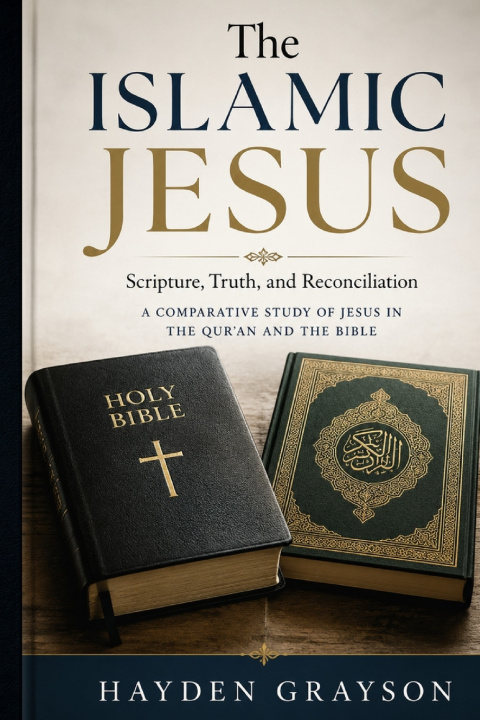
The Islamic Jesus
Scripture, Truth, and Reconciliation
Who is Jesus-and why do Christianity and Islam tell such different stories about him?
For nearly two thousand years, Jesus has stood at the center of one of history's most enduring religious conversations. Christians proclaim him as the divine Son of God, Lord, Savior, and risen Christ. Muslims honor him as Isa ibn Maryam-Jesus, son of Mary-a Messiah, prophet, and messenger of God. Both traditions revere him. Both speak of his miraculous birth, his extraordinary life, his teachings, and his role in the events surrounding the end of time. Yet on the questions that matter most-his nature, his crucifixion, and the path to salvation-their conclusions are profoundly different.
The Islamic Jesus: Scripture, Truth, and Reconciliation enters this conversation through a careful comparative reading of the Bible and the Qur'an, inviting readers to examine what each tradition actually says about Jesus rather than relying on popular assumptions, stereotypes, or secondhand arguments.
Beginning with the Christian understanding of Jesus as Messiah, Son of God, incarnate Word, crucified Savior, and risen Lord, the book then turns to the Islamic portrait of Jesus as the honored Messiah and messenger of God, born miraculously to Mary and empowered to perform extraordinary signs by God's permission. From there, it explores the remarkable territory where the two traditions meet-and the decisive points where they part ways.
Readers will encounter questions that have shaped centuries of theological debate:
Was Jesus divine?
What does the title "Messiah" mean in Christianity and Islam?
Why do Muslims honor Jesus without worshipping him?
What do the Bible and Qur'an say about his virgin birth and miracles?
Was Jesus crucified?
How do Christianity and Islam understand salvation, sin, repentance, and divine mercy?
How did early Christian councils and creeds shape the development of Christian doctrine?
How does each tradition understand the authority, transmission, and interpretation of its scripture?
What do the names and titles given to Jesus reveal about each faith's understanding of him?
What role does Jesus play in Christian and Islamic beliefs about the end of days?
The book also examines areas of striking common ground, including the virgin birth of Jesus, the honored status of Mary, Jesus' righteousness, his miracles, his prophetic mission, and the expectation of his future return.
But this is not a book that hides the differences for the sake of harmony. It takes seriously the central theological divide between the two traditions: divinity, crucifixion, and salvation. At the same time, it argues that understanding another faith accurately does not require surrendering one's own convictions. Genuine dialogue begins when people are willing to understand what others actually believe before judging it.
Moving beyond doctrine, The Islamic Jesus considers the historical Jesus, the development of Christian belief, scriptural authority, the language used to describe Jesus, his teachings and miracles, the women surrounding his story, and the ways Christians and Muslims can engage one another without reducing profound theological disagreement to hostility.
This is ultimately more than a study of religious differences. It is an invitation to look again at one of the most consequential figures in human history-and to ask why the same Jesus can stand at the heart of two great Abrahamic traditions while being understood in such fundamentally different ways.
One Jesus. Two testimonies. Centuries of questions.
The conversation begins with the scriptures.


Informace o knize
Angličtina

Darujte tuto knihu ještě dnes
Je to snadné
1 Přidejte knihu do košíku a zvolte doručit jako dárek 2 Obratem vám zašleme poukaz 3 Kniha dorazí na adresu obdarovanéhoAhoj! Jsem Libroamiko, tvůj knižní rádce.
Jak ti můžu pomoct?