
 Kontakt
 Jak nakupovat
Doručení
Nákupní rádce
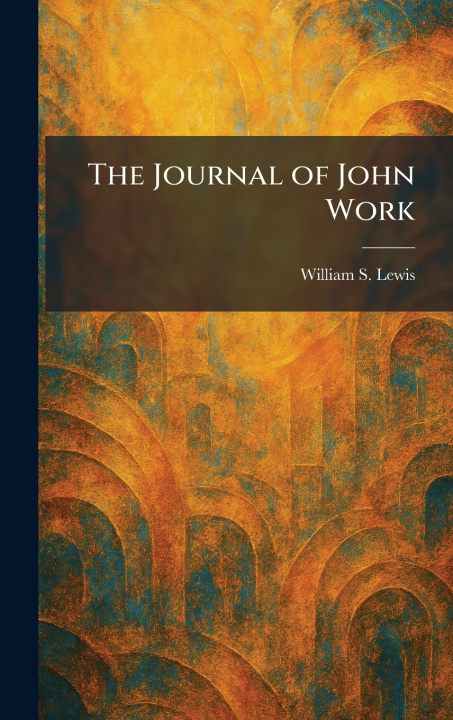
The Journal of John Work
 Angličtina
 75 b
75 b
Až 30 dní na vrácení zboží

"The Journal of John Work" provides an invaluable first-hand account of the early nineteenth-century fur trade and the exploration of the Pacific Northwest. As a chief trader for the Hudson's Bay Company, John Work meticulously recorded his expeditions across the rugged landscapes of present-day Washington, Oregon, Idaho, and British Columbia. These journals offer a detailed glimpse into the daily operations of the fur industry, the complex interactions between European traders and Indigenous peoples, and the sheer physical challenges of traversing the untamed wilderness.
Rich in geographical and ethnographic detail, the work serves as a primary source for understanding the economic and social foundations of the American West and Western Canada. From the logistics of trapping and transport to the survival strategies employed in a vast, often hostile environment, Work's writings document a pivotal era of colonial expansion and commercial enterprise. This collection is an essential resource for historians, researchers, and anyone interested in the pioneers who mapped the frontiers of North America.
This work has been selected by scholars as being culturally important, and is part of the knowledge base of civilization as we know it. This work was reproduced from the original artifact, and remains as true to the original work as possible. Therefore, you may see the original copyright references, library stamps (as most of these works have been housed in our most important libraries around the world), and other notations in the work.
This work is in the public domain in the United States of America, and possibly other nations. Within the United States, you may freely copy and distribute this work, as no entity (individual or corporate) has a copyright on the body of the work.
As a reproduction of a historical artifact, this work may contain missing or blurred pages, poor pictures, errant marks, etc. Scholars believe, and we concur, that this work is important enough to be preserved, reproduced, and made generally available to the public. We appreciate your support of the preservation process, and thank you for being an important part of keeping this knowledge alive and relevant.


Informace o knize
Angličtina
