
 Kontakt
 Jak nakupovat
Doručení
Nákupní rádce
 Angličtina
 49 b
49 b
 Připravujeme
 Nové
Nové
Až 30 dní na vrácení zboží

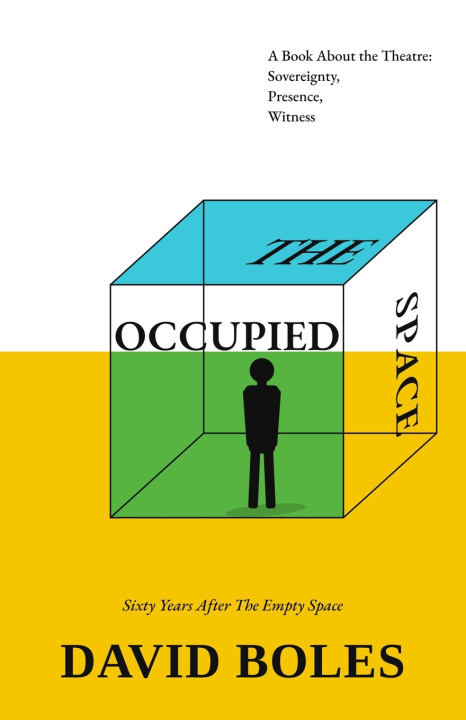
Sixty years ago, Peter Brook opened The Empty Space with a bare stage, a man walking across it, and someone watching, and the theatre took the sentence as scripture. The Occupied Space answers at the anniversary: the floor was never bare. Somebody owns it, somebody polices it, and somebody pays for it. The figure who crosses it can die, and the room knows.
Written from inside the working theatre, this book puts the most quoted stage doctrine of its century on trial without borrowing a sentence of it. Twelve chapters and a coda move from the vacancy Brook left to the censor who returned, from the deadly cure to the author, retried, and end in the sovereign room, where the one who writes the play also stages it, answers for it, and holds the room under the credit Written and Staged by.
Against the famous triad of repetition, representation, and assistance, the book forges its own: sovereignty, presence, witness. At the center stands one engraved sentence: theatre is the art that requires someone who can die, present on a shared clock, in a room that keeps no copy.
For playwrights who direct, directors who answer to living writers, students assigned The Empty Space, and every reader who suspects the empty stage was always somebody's property. David Boles has argued the United Stage doctrine since 1985: Playwrights Must Direct. This book is the argument in full.


Informace o knize
Angličtina

Darujte tuto knihu ještě dnes
Je to snadné
1 Přidejte knihu do košíku a zvolte doručit jako dárek 2 Obratem vám zašleme poukaz 3 Kniha dorazí na adresu obdarovanéhoAhoj! Jsem Libroamiko, tvůj knižní rádce.
Jak ti můžu pomoct?