
 Kontakt
 Jak nakupovat
Doručení
Nákupní rádce
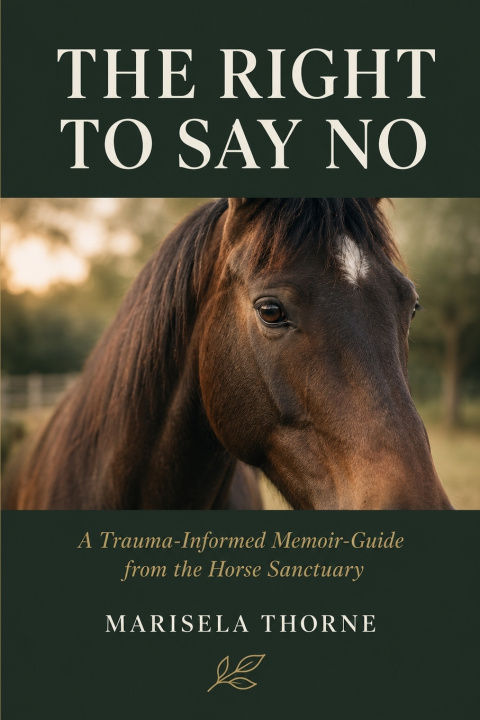
The Right to Say No
 Angličtina
 99 b
99 b
 Nové
Nové
Až 30 dní na vrácení zboží

He flinched. She stepped back. That single choice changed everything.
Every rescued horse carries a history the paperwork never fully explains - years of neglect, rough handling, or simple abandonment that leave a mark no amount of good intentions can rush past. The Right to Say No is a practical, deeply compassionate guide to trauma-informed horse care, written for the volunteers, adopters, and sanctuary staff who show up every day for animals still learning that people can be trusted.
Drawing on trauma-informed principles used across the equine rescue and rehabilitation world, this book reframes recovery around consent instead of compliance. Instead of asking how fast a horse can be trained, it asks a harder, more honest question: what does this particular horse need in order to feel safe enough to choose trust for himself? The answer is rarely fast. It is almost always worth it.
What's inside:
- How to recognize the often-subtle signs of trauma in a horse's posture, ears, eyes, and behavior
- Why forcing compliance can undo months of progress - and what patient, consent-based handling looks like instead
- The real difference between training a horse and healing one, and why sequencing matters
- A practical vocabulary for reading a horse's yes, not-yet, and no
- Illustrative composite stories of recovery, including the setbacks and plateaus that rarely make it into the highlight reel
- How to build a sanctuary environment, herd structure, and daily routine around felt safety
- Guidance for volunteer training, staff culture, and avoiding burnout in this emotionally demanding work
- Clear, honest markers for knowing when patience has reached its limit - and it's time to call a veterinary behaviorist
- What adoption transitions and long-term life after the sanctuary can look like
This book makes no promises of guaranteed healing, because no honest book about trauma recovery can. What it offers instead is a way of paying attention - patient, humble, and grounded in real veterinary and behavioral understanding - that gives every horse the chance to heal on his own timeline, by his own choice.
Perfect for sanctuary and rescue volunteers, new and experienced adopters of rescued horses, barn managers and rescue staff building training programs, and anyone who works with traumatized animals and wants a thoughtful, non-dominance approach grounded in real care. It also makes a meaningful gift for the horse lover in your life who has taken in - or is considering taking in - a horse with a hard past.


Informace o knize
Angličtina

Darujte tuto knihu ještě dnes
Je to snadné
1 Přidejte knihu do košíku a zvolte doručit jako dárek 2 Obratem vám zašleme poukaz 3 Kniha dorazí na adresu obdarovanéhoAhoj! Jsem Libroamiko, tvůj knižní rádce.
Jak ti můžu pomoct?